Empowering students In its own way, the NCPH Guide to Public History Programs is also a best practices document itself. It is an international listing of graduate, undergraduate, and “related” public history programs that can be searched by geographical location, curricular concentration, and type of degree. Read More
Let me conclude by reiterating that these personal reflections are offered in the spirit of “NCPH as a big tent,” open and welcoming to all public historians, old hands and new, inside and outside the academy. Read More
Several months ago in this space I reflected on the large crowds that flocked to Washington to witness President Obama’s historic second inaugural. Again, this past Wednesday, crowds assembled in Washington to hear the President offer “historic” remarks, this time on the steps of the Lincoln Memorial in commemoration of the March on Washington in August 1963. Read More
ANNCT: Left Coast Press annual book sale + “No Excuses Writing Contest” for further discounts
ANNCT: U.S. National Archives and Records Administration announces the launch of “Rediscovering Black History Blog” focusing on documents, photographs and videos found while updating the black history guide for the National Archives and Records Administration. Read More
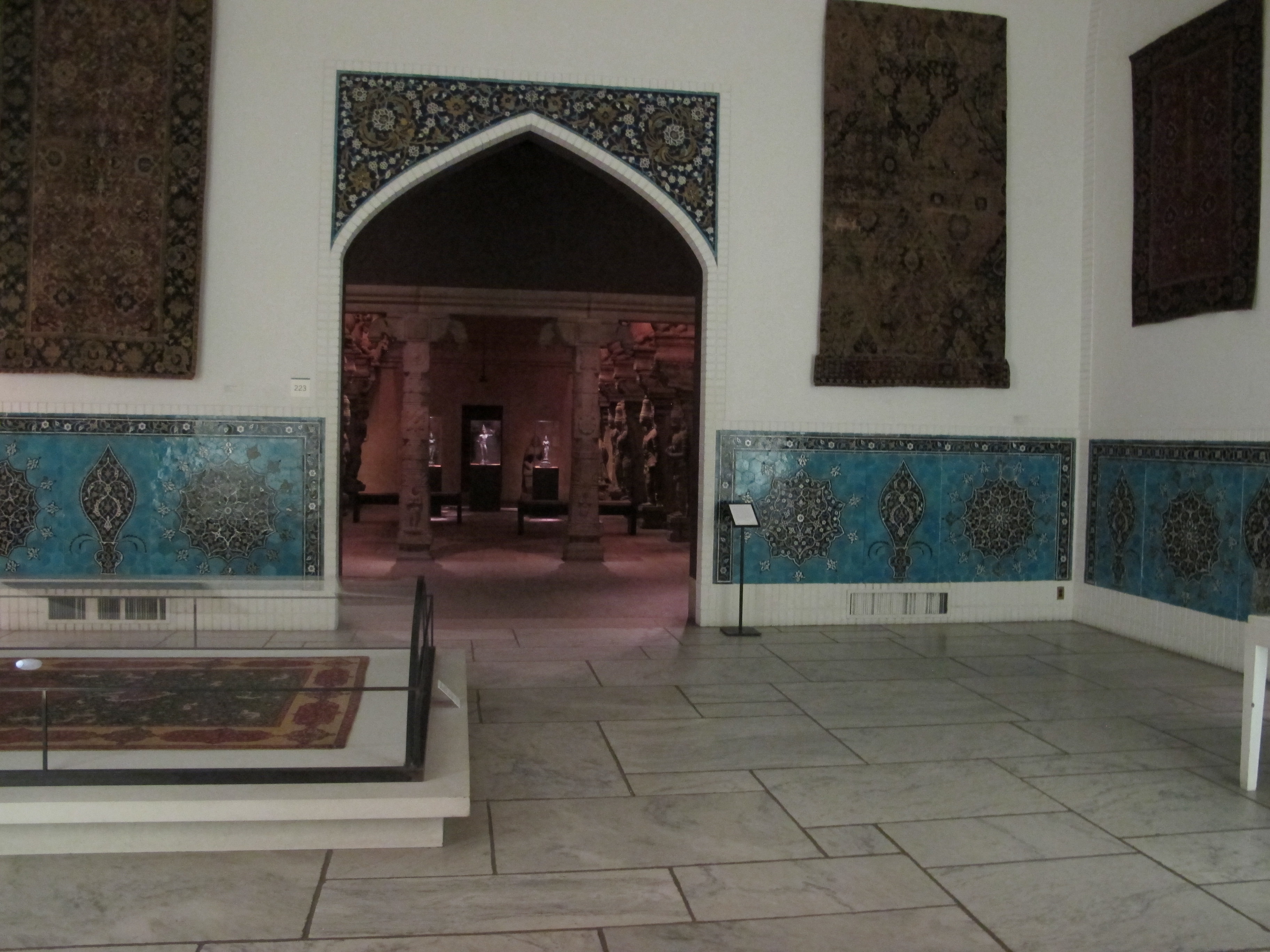
The first big step in the Philadelphia Museum of Art’s re-installation process was to conduct visitor research. How do visitors feel about the current South Asian galleries? What do they already know about the area’s religions, geography, cultures, etc.? Read More
A recent History@Work post by Matthew Exline prompted a lively discussion of the challenges of getting a foot in the door as a new public history professional. One topic that appeared several times in the many comments was the unpaid internship, and the opinions on it were divergent enough that we thought it was worth following up on them. Read More
ANNCT: Preservation Field Mourns the Loss of Jane S. Long
The cultural community mourns the loss of Jane S. Long, long-time champion of emergency preparedness and response at Heritage Preservation and, most recently, the National Archives and Records Administration. Jane passed away in Arlington, VA, on July 25, 2013. Read More
Another academic year is approaching, perhaps more quickly than some of us might like. So it seems like a good time to look back at how scholarship in (and about) public history has been reflected in this blog over the past 12 months. Read More
Sign Up to Receive News and Announcements Emails from NCPH
You may unsubscribe or change your preferences at anytime by emailing [email protected] Cavanaugh Hall 127, 425 University Blvd., Indianapolis, IN 46202-5140 (317) 274-2716 [email protected]




 Quality Control from Students