I moved to Decatur, Georgia, six years ago, after 25 years living in a small neighbourhood of Cape Town, South Africa, called Muizenberg. David Rotenstein’s recent blog posts about his experience in Decatur – which led to his abandoning the suburb – struck me as an interesting opportunity to compare and contrast the politics of gentrification in the two places. Read More
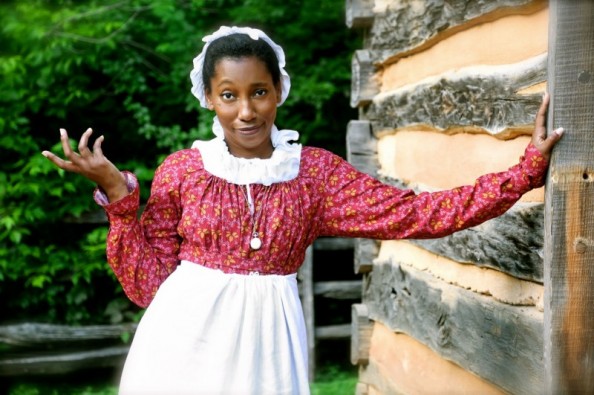
“Ask a Slave” is a brand-spanking new comedy web series that is going viral in certain circles. In the series (just two episodes at time of writing; there will be six total), actress/comedienne/NYU grad Azie Mira Dungey portrays the character “Lizzie Mae” who is supposed to be an enslaved housemaid for America’s founding couple–George and Martha Washington. Read More
Several months ago in this space I reflected on the large crowds that flocked to Washington to witness President Obama’s historic second inaugural. Again, this past Wednesday, crowds assembled in Washington to hear the President offer “historic” remarks, this time on the steps of the Lincoln Memorial in commemoration of the March on Washington in August 1963. Read More
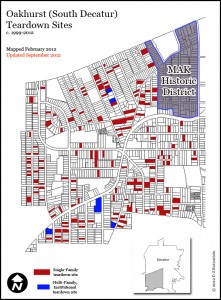
In 1975 the U.S. Department of Housing and Urban Development designated a one-square-mile part of Decatur, Georgia an Urban Homesteading Demonstration Program neighborhood. The designation meant that the city’s housing authority could sell distressed properties in its inventory to qualified buyers for one dollar. Read More
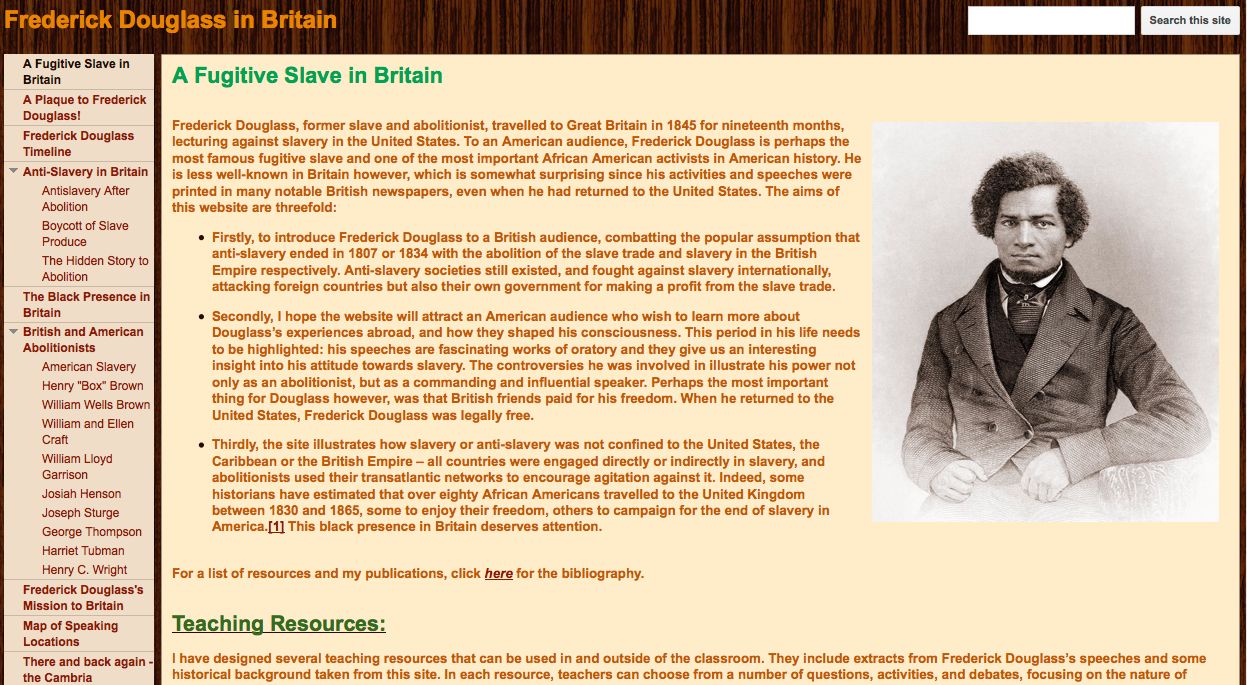
Frederick Douglass is one of the most famous African Americans in the United States, but few have heard of him in Britain. This demands redress, as in 1845 Douglass travelled to the British Isles for nearly two years, lecturing over three hundred times in cities across the country. Read More
At the NCPH annual meeting in Ottawa, Margo Shea and Will Walker, along with other public history educators interested in online teaching and learning, began a conversation about the challenges, risks, and opportunities of having civil and productive conversations about tough questions related to public history (i.e. Read More
Before the mid-1960s, except for domestics and a few other exceptions, South Decatur was exclusively white. It was a place Decatur’s blacks knew to not be after sundown. They knew that they were welcome to clean houses, cut lawns, and bag groceries there during the day but the suburban dream being lived by their white employers was beyond reach. Read More
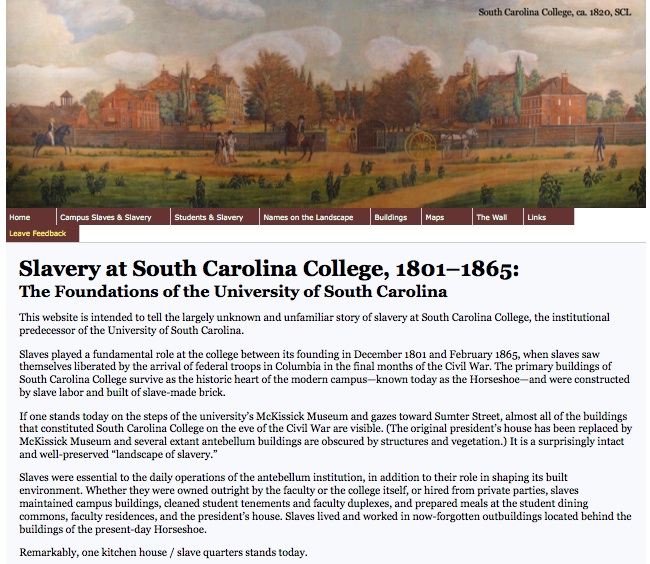
The Public History Program at the University of South Carolina welcomes comments on a new website, “Slavery at South Carolina College, 1801–1865: The Foundations of the University of South Carolina.” While many American colleges and universities in recent years have been researching their historical connections to the institution of racial slavery, this website is the first public acknowledgement of the role of slaves and slavery at the antebellum college that became the University of South Carolina. Read More
Sign Up to Receive News and Announcements Emails from NCPH
You may unsubscribe or change your preferences at anytime by emailing [email protected] Cavanaugh Hall 127, 425 University Blvd., Indianapolis, IN 46202-5140 (317) 274-2716 [email protected]