In 2008, the Journal of American History published a conversation among several historians regarding the future of digital history. William G. Thomas III said, “We might imagine a more proximate collaboration in which historians team up with [community] groups. The Web 2.0 movement might allow historians and the public to make history together rather than separately. Read More
Digital technology has enabled public historians, cultural heritage professionals, and history students to collaborate with diverse audiences and explore history’s role in civic engagement in ways previously unimagined. The partnership between the Virtual City Project and the Restoration Group described by Andrew Hurley in “Chasing the Frontiers of Digital Technology: Public History Meets the Digital Divide” demonstrates the exciting possibilities as well as challenges advanced digital tools provide, especially in the face of limited budgets, long software development cycles, and varying levels of digital access. Read More
Every morning, we wake up and open our dressers or closets to find something to wear. If you’re anything like me, the selection is usually the first thing you grab as you wipe your heavy eyes and question whether it was worth staying up to watch an extra hour of Netflix the night before. Read More
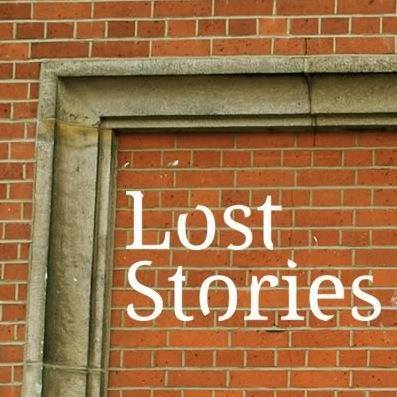
The Lost Stories Project seeks out little-known stories about the Canadian past, transforms them into inexpensive works of public art installed on appropriate sites, and documents the process by way of a series of short films. Along the way, forgotten moments from Canadian history come to light, and viewers have an opportunity to see the choices made when a story transforms into a work of art. Read More
Editors’ Note: Readers can find Part 1 here. This post continues a short list of what history, public and otherwise, as well as allied disciplines, can do in the face of events like those that have engulfed Baltimore.
Third, beyond documentation, history can support change in the present.Read More
Sign Up to Receive News and Announcements Emails from NCPH
You may unsubscribe or change your preferences at anytime by emailing [email protected] Cavanaugh Hall 127, 425 University Blvd., Indianapolis, IN 46202-5140 (317) 274-2716 [email protected]