As part of its ongoing efforts to highlight the diversity of career opportunities for historians, the American Historical Association has organized an offsite workshop at the National Museum of American History during its conference this week. The workshop offers a chance to hear from leaders from some of the foremost history museums in the United States. Read More
On the final day of Reading Artifacts Summer Institute (RASI), each group was required to present its artifact to an audience of other participants, museum staff, and volunteers. Throughout the morning, artifacts that had initially seemed ambiguous and daunting at the start of the week were slowly separated into layers of meaning and their hidden histories were recounted. Read More
The Kentucky Derby Museum, a non-profit organization located in Louisville, Kentucky, announces the opening of its Colonel Clark Library. With collections dating back to the mid-19th century, the Colonel Clark Library is an outstanding resource for historians, especially those interested in agricultural, sporting, and local history. Read More
On the second day of the Reading Artifacts Summer Institute (RASI), we received the artifact accession files. Although our physical examination of the stove had proven effective, artifacts need some help to speak. Read More
In August 2012, a group of 26 doctoral students and museum professionals from different disciplines and multiple countries gathered at the Canada Science and Technology Museum (CSTM) in Ottawa, Canada, for the fourth annual Reading Artifacts Summer Institute (RASI). The one-week program, guided by staff and volunteers from the museum with guest scholar Dr. Read More
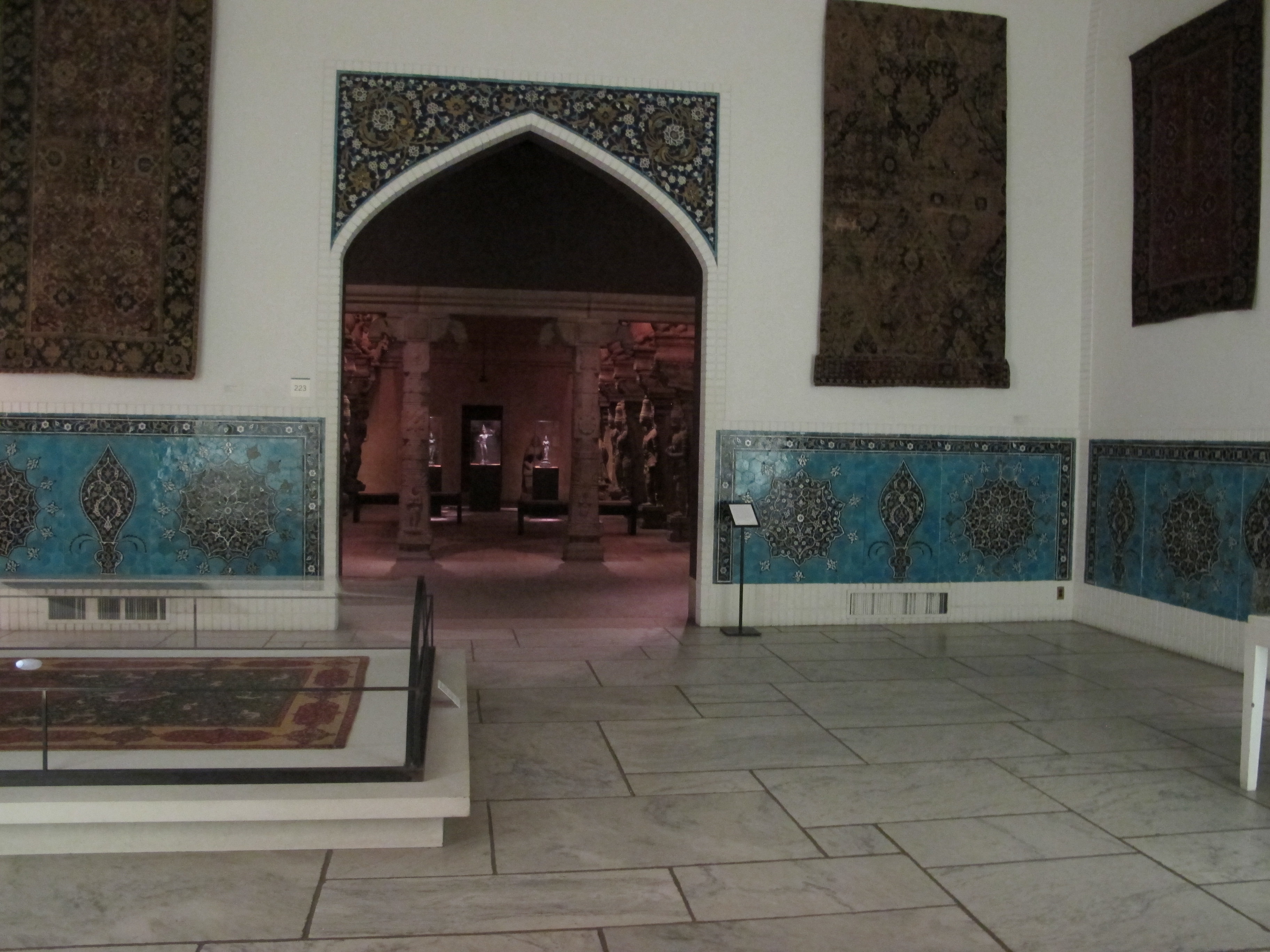
The first big step in the Philadelphia Museum of Art’s re-installation process was to conduct visitor research. How do visitors feel about the current South Asian galleries? What do they already know about the area’s religions, geography, cultures, etc.? Read More
This summer I had the pleasure of being part of a tour organized by the Pew Center for Arts and Heritage in Philadelphia. A group of practitioners from across the arts and cultural sector spent several days in the Boston area exploring questions relating to gender and sexuality in public historical interpretation. Read More
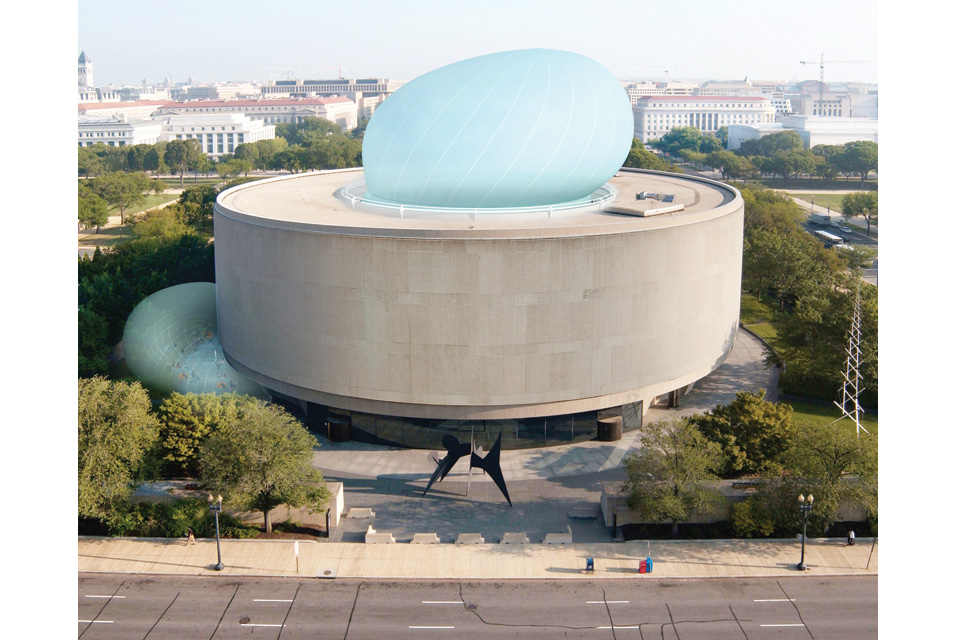
With the resignations of the Hirshhorn Museum’s director and the chairman of its board of trustees this summer, the Bubble, or Seasonal Inflatable Structure, project (at left) has collapsed in a very public way. As the Bubble deflated under the weight of its projected costs, the Smithsonian Folklife Festival, a different kind of venue for arts and culture, continued its long run of phenomenal success. Read More
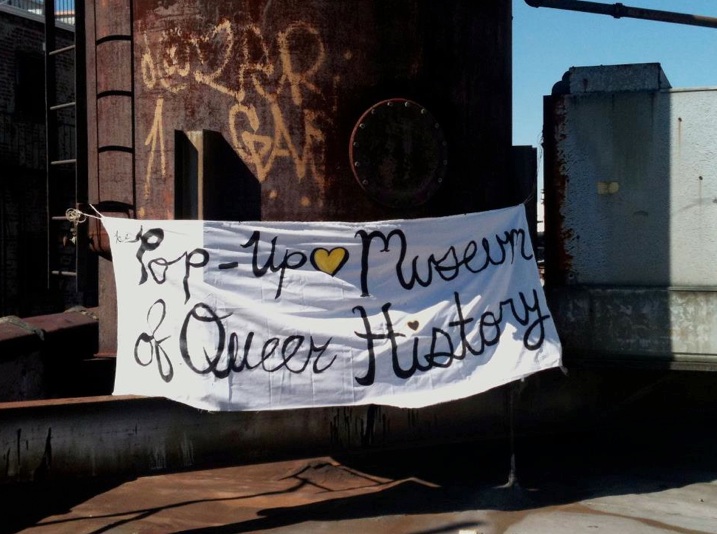
I founded the Pop-Up Museum of Queer History by accident. Originally, the idea was for a one-night party in my apartment in January of 2011, designed to create a for-us, by-us space where queer people could join together to celebrate ourselves as a valid public, worthy of speaking to; a valid subject, worthy of speaking about; and a valid authority, worthy of speaking on our own terms. Read More
I recently started a new position at the Philadelphia Museum of Art as a Curatorial and Interpretation Fellow, for which my Public History degree from American University has been (and will continue to be) invaluable. Understanding art through history and vice versa is one of the joys of curatorial work in an art museum, but interpreting cultural, historical, religious and aesthetic context to a wider audience can be a real challenge. Read More
Sign Up to Receive News and Announcements Emails from NCPH
You may unsubscribe or change your preferences at anytime by emailing [email protected] Cavanaugh Hall 127, 425 University Blvd., Indianapolis, IN 46202-5140 (317) 274-2716 [email protected]