Ashley Halsey Jr. was frustrated when the civil rights movement defeated the Lost Cause. The United States Civil War Centennial Commission had invited the Saturday Evening Post associate editor and Civil War buff to be the featured speaker at the 1961 centennial commemoration of the firing on Fort Sumter in his hometown of Charleston, South Carolina. Read More
Editor’s note: This post continues our series addressing recent debates over Confederate memory and symbolism in the wake of the shooting of nine parishioners at Emanuel African Methodist Episcopal Church in downtown Charleston, South Carolina. Here is the opening post for the series.Read More
Editor’s note: This is the first in a series of posts addressing recent debates over Confederate memory and symbolism in the wake of the shooting of nine parishioners at Emanuel African Methodist Episcopal Church in downtown Charleston, South Carolina.
In the wake of the June 17 shooting tragedy in Charleston, SC, numerous cities, institutions, politicians, and members of the general public have engaged in an array of important discussions about Confederate imagery and iconography. Read More
Last year, I served as research resident at the National Public Housing Museum (NPHM), which focuses on the history of public housing across the country but especially in its home city of Chicago. The NPHM will one day occupy the last remaining building from the New Deal-era Jane Addams Homes in the Little Italy neighborhood. Read More
As I scrolled through my list of unread emails a couple weeks ago, I paused on a subject line that was at once nostalgic and saddening: “A Celebration of the Life of Dr. Vivian O. Windley.” Dr. Windley was a well-respected educator and highly regarded volunteer at the New York Public Library’s Schomburg Center for Research in Black Culture. Read More
Editors’ Note: Readers can find Part 1 here. This post continues a short list of what history, public and otherwise, as well as allied disciplines, can do in the face of events like those that have engulfed Baltimore.
Third, beyond documentation, history can support change in the present.Read More
Events in Baltimore during the last couple of weeks following the death of Freddie Gray apparently after a questionable arrest have precipitated a great deal of commentary, ranging from the thoughtful to the bloviating. Likewise, interest in a more activist, civically engaged public history has been generating considerable discussion, both descriptive and hortatory. Read More
While researching at the LBJ Presidential Library over the last ten days, I’ve read numerous memos on the use of federal troops and National Guard units to quell the urban rebellions of the late 1960s. It was jarring to turn on the television Monday night and learn that Maryland’s governor had declared a state of emergency and called up the National Guard in response to the protests in Baltimore. Read More
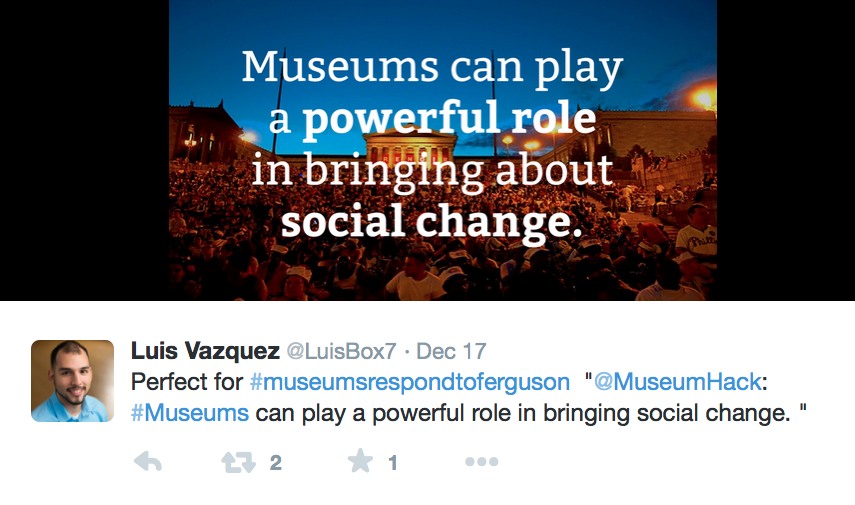
I have always thought of public history as a tool to assist us in mediating unchartered territory. More specifically, museums can serve as public forums to tackle persistent forms of oppression that have escaped clear resolve. This vision seems particularly relevant today. Read More
On May 30, 1995, wearing an orange construction helmet, I stood behind a makeshift barricade on E. 13th Street in New York City. Hundreds of squatters faced off against larger numbers of riot police who were armed with a tank and supported by snipers on the surrounding buildings. Read More
Sign Up to Receive News and Announcements Emails from NCPH
You may unsubscribe or change your preferences at anytime by emailing [email protected] Cavanaugh Hall 127, 425 University Blvd., Indianapolis, IN 46202-5140 (317) 274-2716 [email protected]