Nearly thirty years ago, a small collective of twenty- and thirty-something LGBT activists in Chicago founded the Gerber/Hart Library and Archives. Active in the Gay Liberation movement and other social protest movements of the 1960s and 1970s, these grassroots historians collected LGBT materials and reclaimed the past as part of the production of a proud political identity. Read More
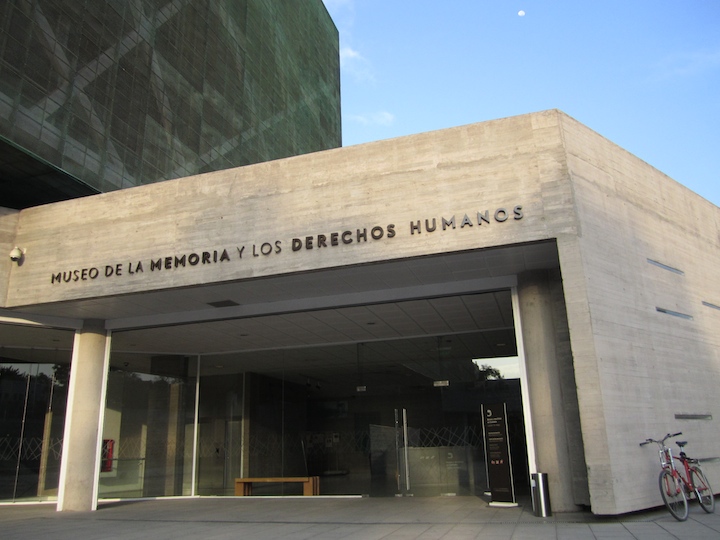
Since my September arrival in Chile, the Museum of Memory and Human Rights has become a common ground for my historical work, with handfuls of visits to its Center of Documentation for conversations and conferences, and the permanent exhibit. Although not a physical or recovered site connected to human rights violations, it sits squarely in the memory landscape of Chile, a barely-born institution that has made waves since its 2010 inauguration under then-President Michele Bachalet. Read More
The Southern landscape and many other parts of the United States remain pockmarked with state historical markers that demand reinterpretation or removal. One state historical marker noting the failure of New Orleans’ 17th Street Canal in the aftermath of Hurricane Katrina demonstrates that Louisiana has landed on the right side of this history. Read More
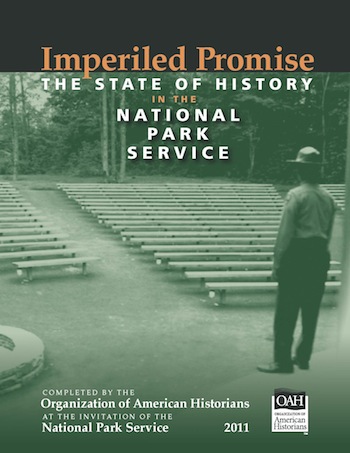
The NCPH/OAH conference brought to light a subject near to my heart this afternoon – history in the NPS. The panel consisted of Marla Miller, Gary Nash, David Thelen and Anne Mitchell Whisnant. On the docket was the discussion of their report on how the NPS stacks up in the history department. Read More
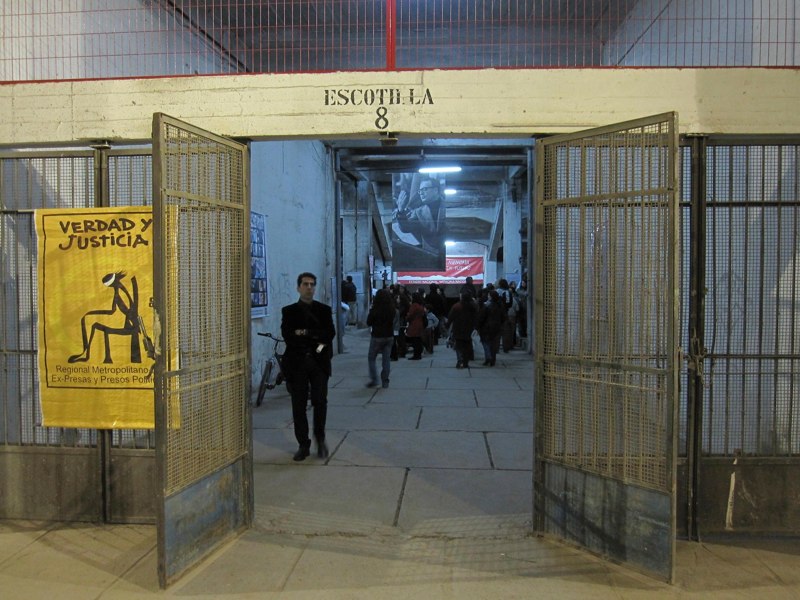
In Chile between 1973 and 1990, according to the 2004 National Commission on Political Imprisonment and Torture (The Valech Report), 1,132 sites were utilized as centers of detention, torture, and extermination. They ranged from hospitals and soccer stadiums to police precincts and private houses. Read More
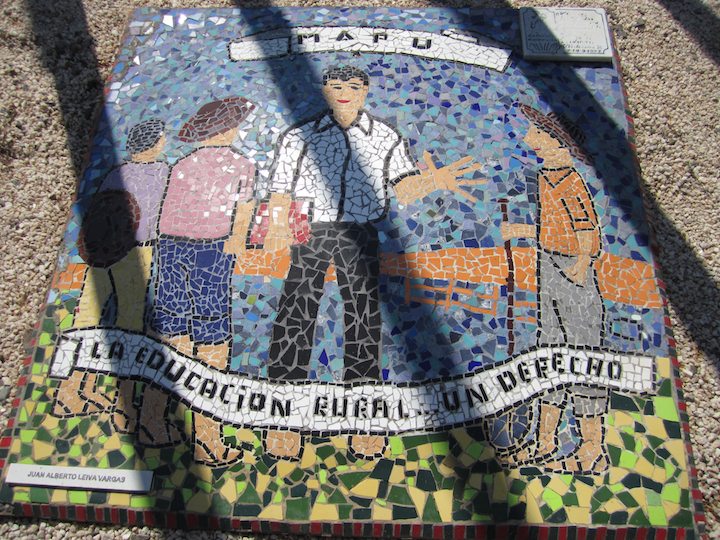
Raúl Lazo liked to ride horses. Luis Gaete worked with his hands in the fields. Juan Leiva believed rural education was a right. José Castro had a red tractor. Juan Leonardo, president of the Association of the Relatives of the Disappeared and Executed Detainees of Paine (AFDD-Paine), explained on a sunny countryside morning that this was a principal point of Memorial Paine: to (re)humanize those community members who fell victim to Pinochet’s repression in the rural region for which the memorial is named. Read More
Bike culture in Santiago de Chile has boomed in recent years, and today bicycles are veritable mainstays throughout the city. The reasons are many: an uptick in Chileans’ environmental consciousness, skyrocketing public transport prices and the slashing of services, and most importantly, according to the folks at Bicicultura, the cultural dissociation between bicycles and poverty. Read More
[EDITOR’S NOTE: Zachary McKiernan, a doctoral student in public history at the University of California/Santa Barbara and a regular reviewer for “Off the Wall,” is working on a series of “Letters from Chile,” based on his current dissertation research. Read More
This September Chile celebrated its 200th birthday. And not unlike other nations that have marked this monumental milestone, the Southern Cone country rolled out the proverbial red carpet to celebrate the event. Throughout the long, thin country festive festivities flourished: fiestas patrias, national dances and dishes, declarations and speeches. Read More
Sign Up to Receive News and Announcements Emails from NCPH
You may unsubscribe or change your preferences at anytime by emailing [email protected] Cavanaugh Hall 127, 425 University Blvd., Indianapolis, IN 46202-5140 (317) 274-2716 [email protected]




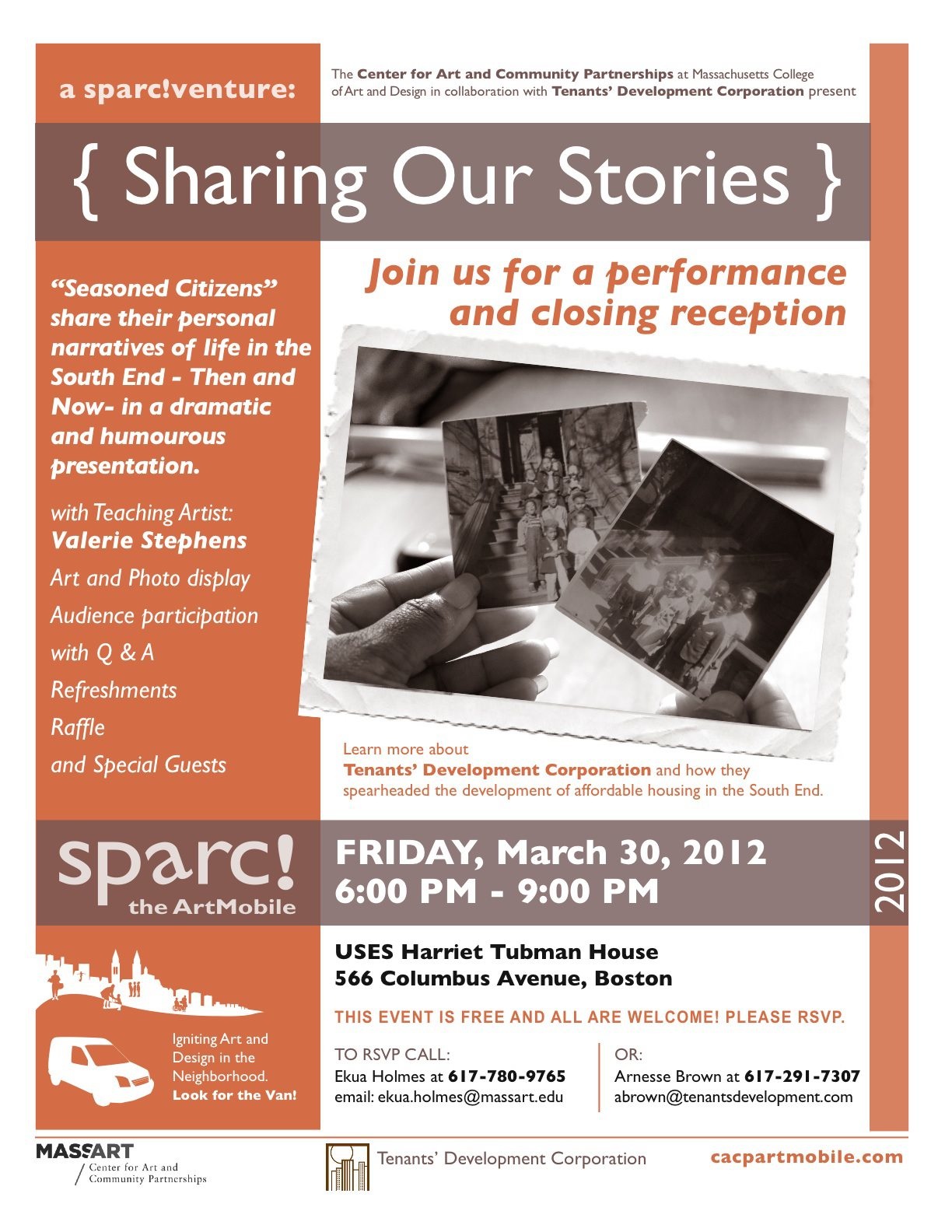 I recently attended an event in Boston’s South End neighborhood called “Sharing our Stories: The Power of Place,” a sensational evening sponsored by the Tenants Development Corporation, Inc. and the Center for Art and Community Partnershipsat the Massachusetts College of Art and Design. Read More