In Chile between 1973 and 1990, according to the 2004 National Commission on Political Imprisonment and Torture (The Valech Report), 1,132 sites were utilized as centers of detention, torture, and extermination. They ranged from hospitals and soccer stadiums to police precincts and private houses. Read More
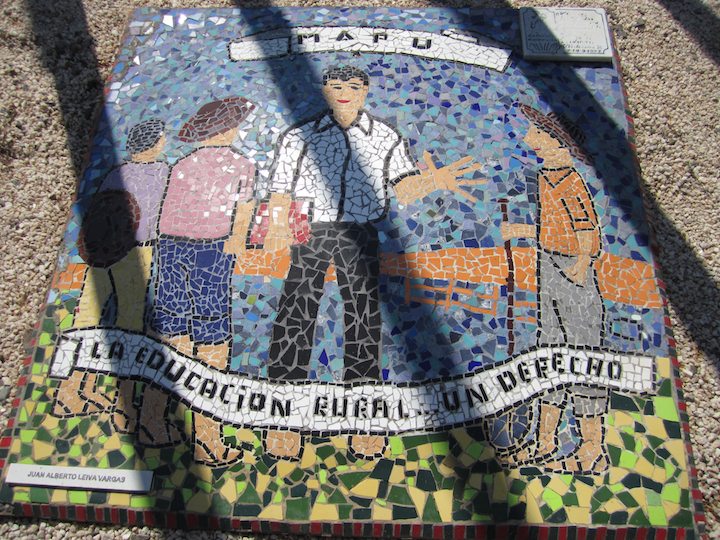
Raúl Lazo liked to ride horses. Luis Gaete worked with his hands in the fields. Juan Leiva believed rural education was a right. José Castro had a red tractor. Juan Leonardo, president of the Association of the Relatives of the Disappeared and Executed Detainees of Paine (AFDD-Paine), explained on a sunny countryside morning that this was a principal point of Memorial Paine: to (re)humanize those community members who fell victim to Pinochet’s repression in the rural region for which the memorial is named. Read More
Horns honk, people push, patience is short; Santiago is teeming with activity, a modern metropolis in the throes of summer heat. But 45 minutes from the city’s center sits a quiet place of rest, respite, and reflection, filled with the pleasant sounds of birds in birch trees and the smell of roses and bougainvillea. Read More
Bike culture in Santiago de Chile has boomed in recent years, and today bicycles are veritable mainstays throughout the city. The reasons are many: an uptick in Chileans’ environmental consciousness, skyrocketing public transport prices and the slashing of services, and most importantly, according to the folks at Bicicultura, the cultural dissociation between bicycles and poverty. Read More
[EDITOR’S NOTE: Zachary McKiernan, a doctoral student in public history at the University of California/Santa Barbara and a regular reviewer for “Off the Wall,” is working on a series of “Letters from Chile,” based on his current dissertation research. Read More
For most of us, music videos don’t immediately bring to mind historical engagement. What’s more reflective of the current epoch than a viral YouTube video featuring feline euphony or Rebecca Black’s ultra-present-focused “Friday”?
But Arcade Fire’s “Wilderness Downtown” collaboration with Chris Milk, featuring their hit 2010 single, “We Used to Wait,” is a remarkable exception to this rule. Read More
Maps are more than pieces of paper. They are stories, conversations, lives and songs lived out in a place and are inseparable from the political and cultural contexts in which they are used. (A. Warren, cited in Giacomo Rambaldi, “Who Owns the Map Legend?
I have been traveling to and from Chile for various reasons at various times since 2005, acquiring a deep appreciation for the country and its cultural subtleties and social mores—to say nothing of a Spanish accent steeped in Chilean slang. But if I have learned anything since my initial days, it is that one must exercise sensitivity when approaching the dictatorial past. Read More
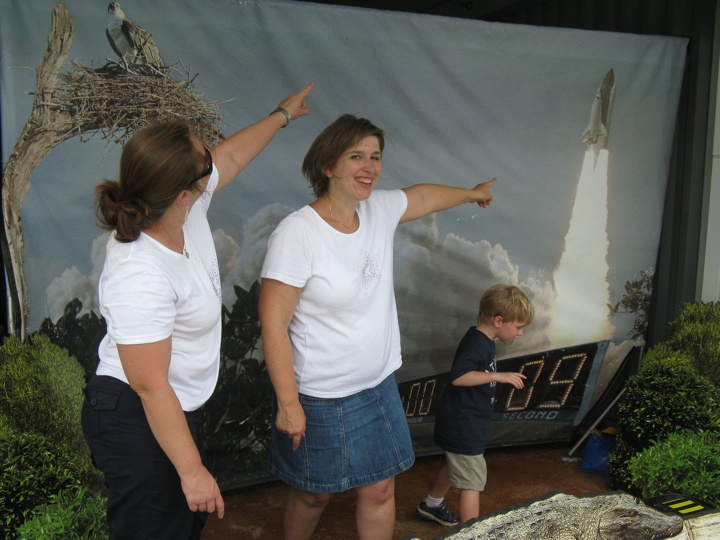
3…2…1… We have lift off! Space shuttle Atlantis blasted off for her final voyage on July 8, marking the end of NASA’s 30-year old shuttle program, and I was there. Honestly, it is bigger on TV. But television doesn’t adequately capture the physical sensation of participation. Read More
On September 21, 1976, former and now deceased Chilean dictator Augusto Pinochet brought international terrorism to the U.S. capital. As part of a plot to eliminate opponents of the military regime which took power in a bloody U.S.-backed coup on September 11, 1973, Pinochet’s crosshairs targeted Orlando Letelier, Chile’s one-time ambassador to the US under President Salvador Allende from 1970-1973.
Sign Up to Receive News and Announcements Emails from NCPH
You may unsubscribe or change your preferences at anytime by emailing [email protected] Cavanaugh Hall 127, 425 University Blvd., Indianapolis, IN 46202-5140 (317) 274-2716 [email protected]