To address the issue of how to make historic designation and documentation a part of Cliveden’s ongoing dialogue with its various publics, the site sponsored a forum themed around the question “Do National Historic Landmarks Represent Our Historic Values?” This event was an opportunity to bring together community members, museum professionals, and preservationists from the Germantown area to discuss the NHL process, our research for the nomination, and moreover the changing meaning of Cliveden’s history today, all while enlivening what can otherwise seem on the surface to be a closed and static process of filling out a bureaucratic form. Read More
In Part 1 of this post, participants in a Northwest History Network professional development program called Who Hires Consulting Historians? talked about some of the “soft skills” that employers look for. Part 2 is an additional excerpt from the discussion. You can hear a podcast of the entire program here. Read More
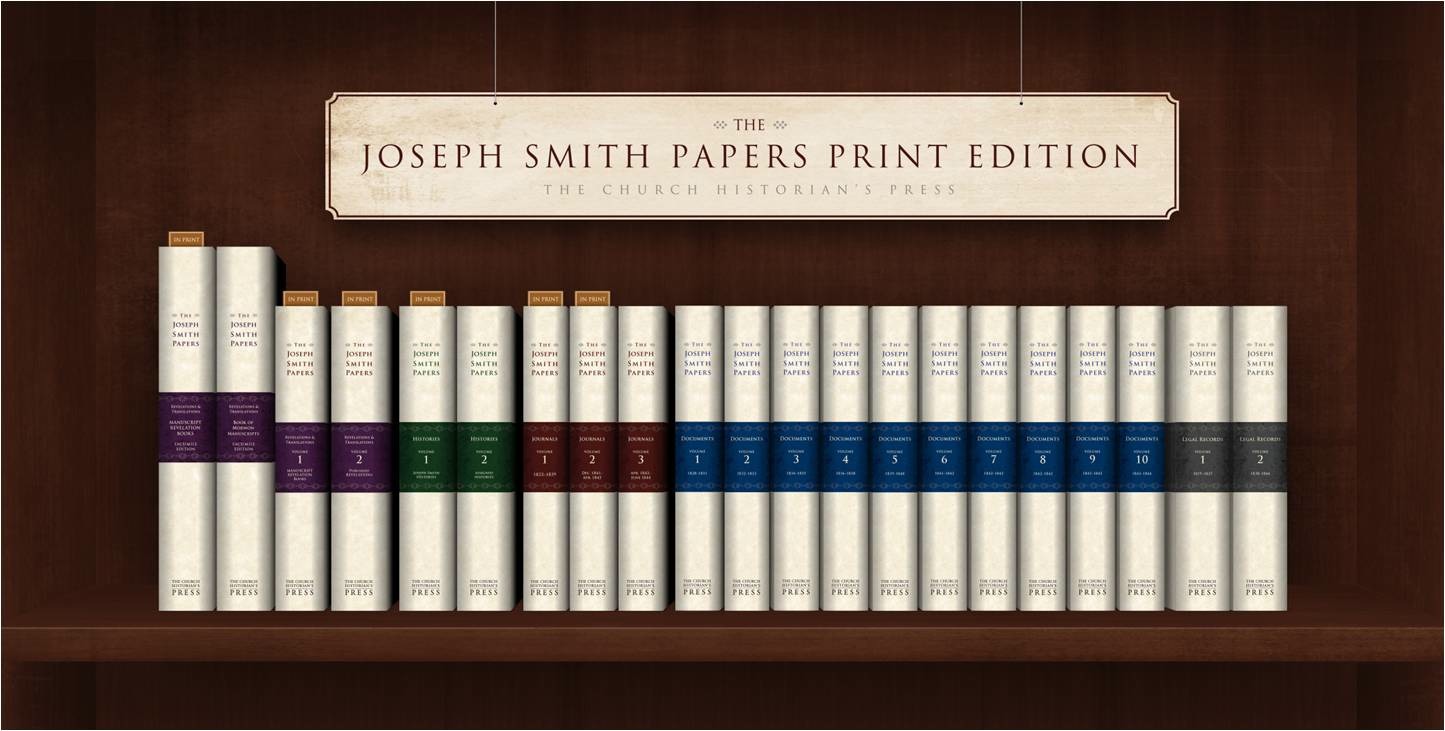
Historians working on the Joseph Smith Papers have to navigate a balancing act between our various audiences—much like those who do contract history work. For the most part, the project has succeeded in its attempts to be balanced. In a review of the first volume of the Journals series in the journal Documentary Editing, Kenneth Minkema, executive editor of the Works of Jonathan Edwards, declared, “Readers need not raise a skeptical eyebrow when they see this edition is produced by LDS members and printed by an LDS press.” Read More
In the course of moving Ruskin College, the trade union and labour movement college founded in central Oxford in 1899, from its prime location to a site on the outskirts of the city, the college has been re-branded and much of its archive destroyed or dispersed to other institutions. Read More
In my years as a historical consultant, I did several projects for agencies such as the National Park Service and the U.S. Army Corps of Engineers. Much like the church for which I now work, these agencies are interested in their past, but also are sensitive to criticisms that have been levied against them by opposing groups, such as environmental organizations. Read More
Some time ago, I had the opportunity of hearing a presentation by Daniel Walker Howe, a historian who won the 2008 Pulitzer Prize for his book What Hath God Wrought: A History of the United States, 1815-1848. In the course of the seminar, Howe made a plea for academic historians to stop ignoring the general public in their work, declaring that it was time for historians to stop talking only to each other and to engage the larger public. Read More
This is the sixth and final in a series of posts about the findings of our summer 2012 survey on the current state and possible future directions of The Public Historian journal and other NCPH media.
from Anne Mitchell Whisnant, NCPH Journal Task Force:
As a member of the NCPH task force considering the future of The Public Historian, I, like several of my colleagues, have been mining the data from last summer’s survey about the journal. Read More
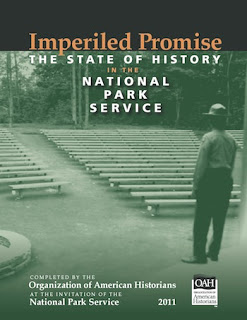
Last Friday, November 2, 2012, National Park Service personnel, public historians, academics, and graduate students from the Northeast met at the Massachusetts State Archives in Boston to discuss the Organization of American Historians’ recent report Imperiled Promise: The State of History in the National Park Service (2011). Read More
Sign Up to Receive News and Announcements Emails from NCPH
You may unsubscribe or change your preferences at anytime by emailing [email protected] Cavanaugh Hall 127, 425 University Blvd., Indianapolis, IN 46202-5140 (317) 274-2716 [email protected]




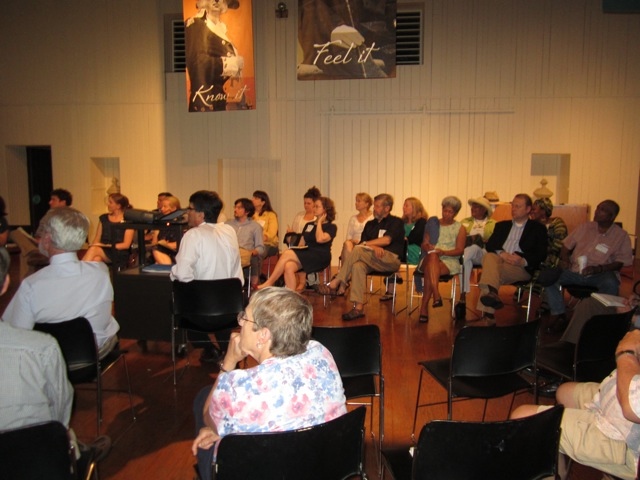 To address the issue of how to make historic designation and documentation a part of Cliveden’s ongoing dialogue with its various publics, the site sponsored a forum themed around the question “Do National Historic Landmarks Represent Our Historic Values?” This event was an opportunity to bring together community members, museum professionals, and preservationists from the Germantown area to discuss the NHL process, our research for the nomination, and moreover the changing meaning of Cliveden’s history today, all while enlivening what can otherwise seem on the surface to be a closed and static process of filling out a bureaucratic form. Read More