Frederick Douglass is one of the most famous African Americans in the United States, but few have heard of him in Britain. This demands redress, as in 1845 Douglass travelled to the British Isles for nearly two years, lecturing over three hundred times in cities across the country. Read More
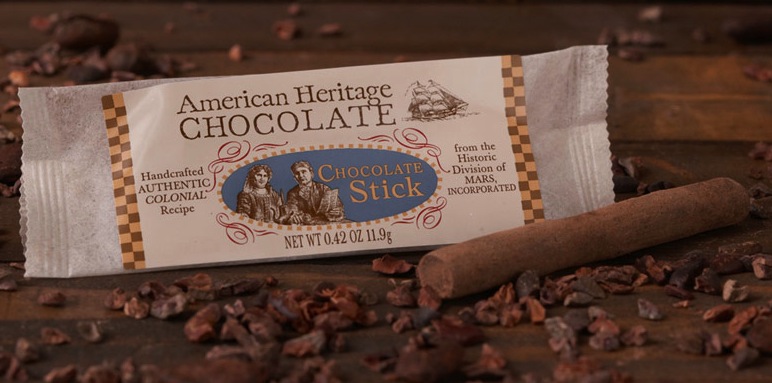
I recently attended a conference whose organizers had discovered a remedy for the dreaded low-energy times of day when audience attention wanes: schedule a presentation about chocolate, complete with free samples. The talk was by Amanda Lange of Historic Deerfield, Inc.Read More
Back in February I wrote about some of the challenges of donating old interviews done during graduate school in the 1990s for newspapers to the Atlanta History Center’s archives as oral histories. After some interesting attempts to get release forms signed more than 20 years after the interviews were done and more than a few collisions with data rot, the donation was completed in June. Read More
“I sat there in my chair listening to the comment, ‘I don’t know much about Guantánamo,’ follow nearly each of my peers’ introductions, myself included,”
Marnie Macgregor, University of Minnesota
Marnie was joining over 100 other students from around the country in a national experiment in public history and public dialogue. Read More
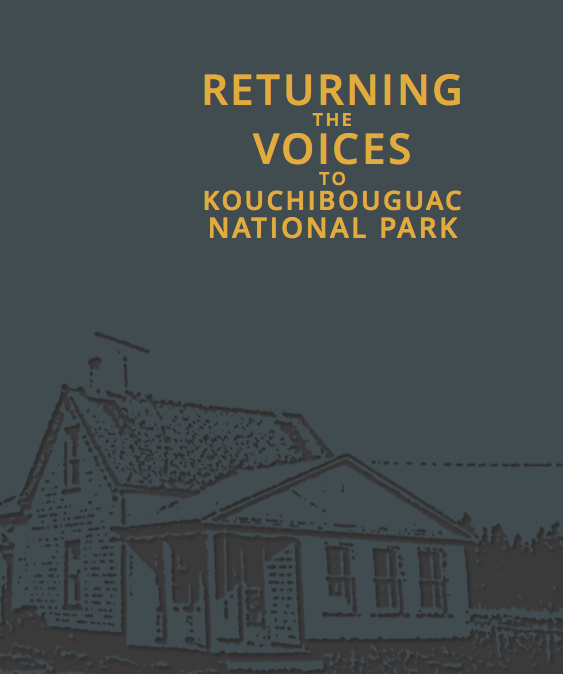
In 1969 the Canadian and New Brunswick governments agreed to create Kouchibouguac National Park along the east coast of this Atlantic province. At the time, establishment of a national park required removing the people who resided there, in the belief that nature should be exhibited to visitors without signs of any human presence. Read More
Building upon our innovative approaches to teaching and practicing Public History, the History Department at the University of Louisiana at Lafayette is proud to announce an exceptional project called Museum on the Move. Public History students will outfit a vintage Airstream trailer (left) with an interpretive exhibit that will then hit the road to take history directly out of the classroom and to the public. Read More
During the month of May 2013, on www.senate.gov, the U.S. Senate Historical Office looks back 40 years to one of the Senate’s most important investigations. The Select Committee on Presidential Campaign Activities, more commonly known as the Watergate Committee, questioned the president’s closest advisors about the break-in and cover-up at the Watergate office complex and other “illegal and improper campaign practices” that occurred during the presidential campaign of 1972. Read More
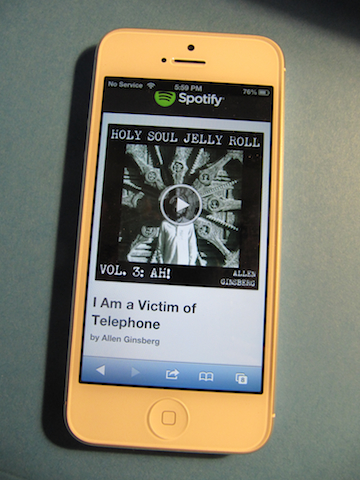
This spring, I’ve been teaching an urban anthropology class at Tufts University. In the class session before I left for the National Council on Public History conference, we talked about how digital technologies have become ever more interwoven with urban experience. Read More
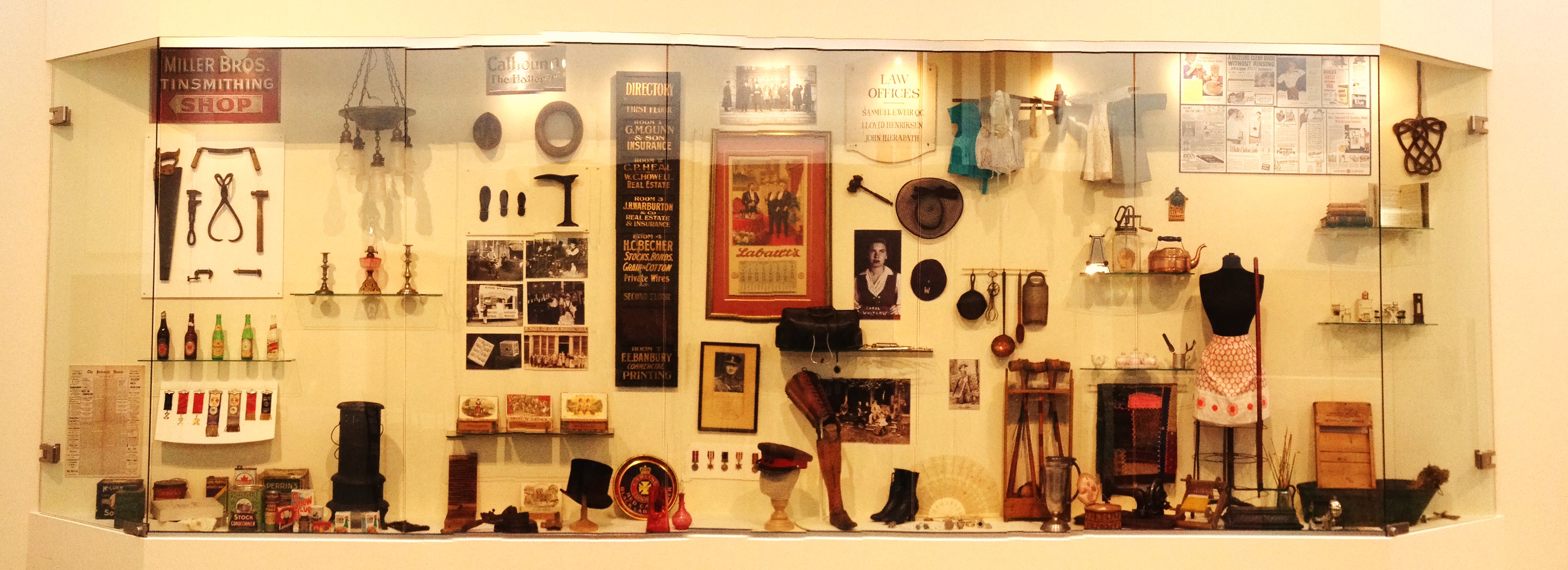
As a trade union leader and a political activist, I had occasions to attend national and international events. Often, other attendees would bring posters from their respective organizations. I would usually take one of each because I was attracted to either the graphics or the issue or both. Read More
There actually was a thunderstorm with lightning on Thursday night in Ottawa–it’s been an unsettled spring here, as in much of the northeast. The lightning on Friday, though, came in the form of a set of quick presentations at the NCPH conference on recent and emerging digital public history projects. Read More
Sign Up to Receive News and Announcements Emails from NCPH
You may unsubscribe or change your preferences at anytime by emailing [email protected] Cavanaugh Hall 127, 425 University Blvd., Indianapolis, IN 46202-5140 (317) 274-2716 [email protected]




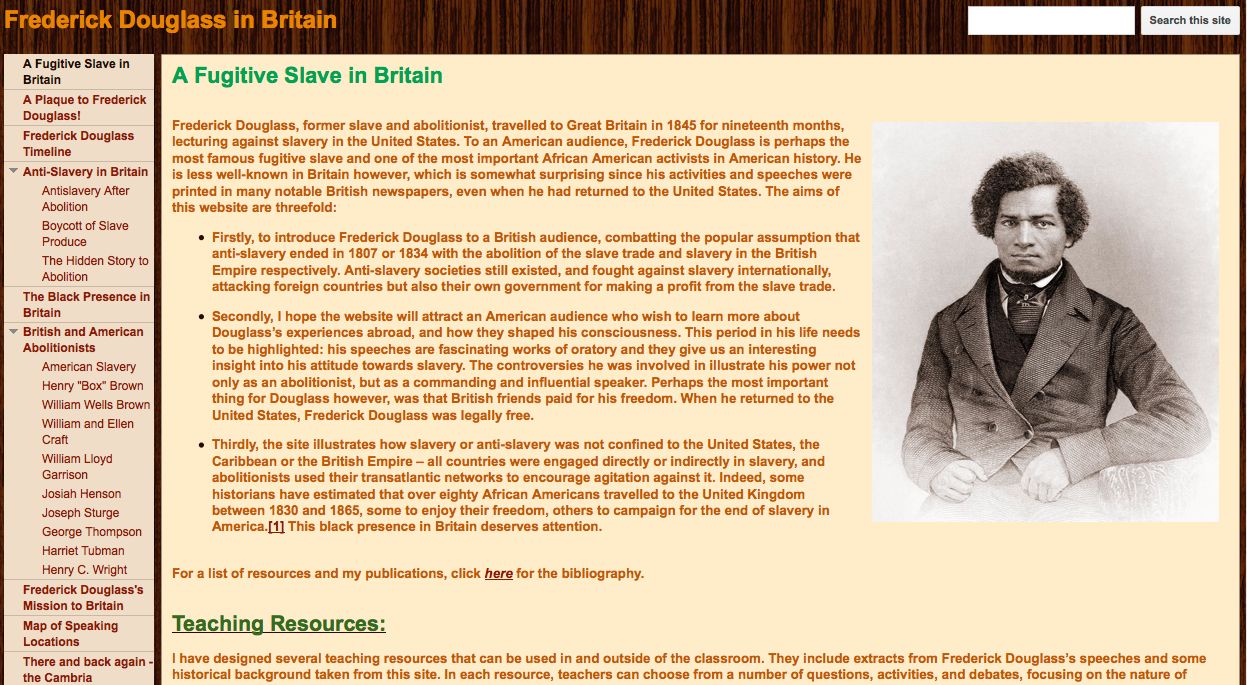 Frederick Douglass is one of the most famous African Americans in the United States, but few have heard of him in Britain. This demands redress, as in 1845 Douglass travelled to the British Isles for nearly two years, lecturing over three hundred times in cities across the country. Read More