CFP: “Reconsidering Roots: Observations on the 40th Anniversary of a TV Mini-Series that Changed the Way We Understood American Slavery”
Seeking essays that interrogate the historical impact of Roots, as well as those that assess its place in contemporary U.S. Read More
Editor’s Note: This piece continues a series of posts related to the Guantánamo Public Memory Project, a collaboration of public history programs across the country to raise awareness of the long history of the US naval base at Guantánamo Bay and foster dialogue on its future. Read More
We’ve all no doubt heard the line thrown back at us: “If you preservationists don’t want this building torn down, then why aren’t you putting your own money into it? How dare you tell a private owner that he can’t tear it down?” Read More
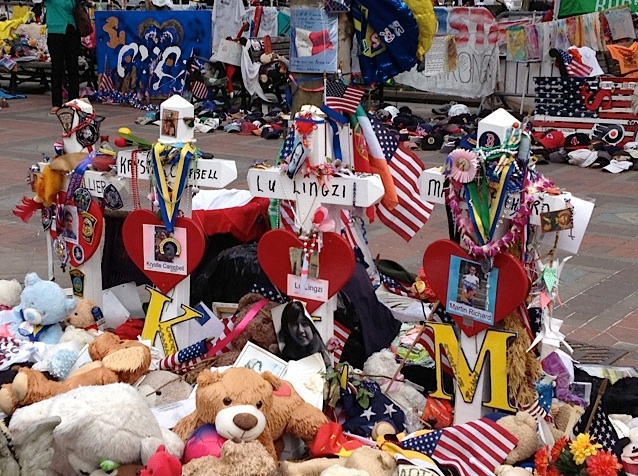
The City of Boston took down the Boston Marathon Memorial on June 25. The memorial began life at the sites of the twin bombings on Boylston Street in the immediate aftermath of the explosions there on April 15. The city relocated the memorial to Copley Square once Boylston and surrounding streets re-opened to traffic the following week. Read More
AWARDS: Charles Redd Award for excellence in exhibitions about the American West + Director’s Chair Award for outstanding achievement in museum profession, from Western Museums Association
DEADLINE: July 15, 2013
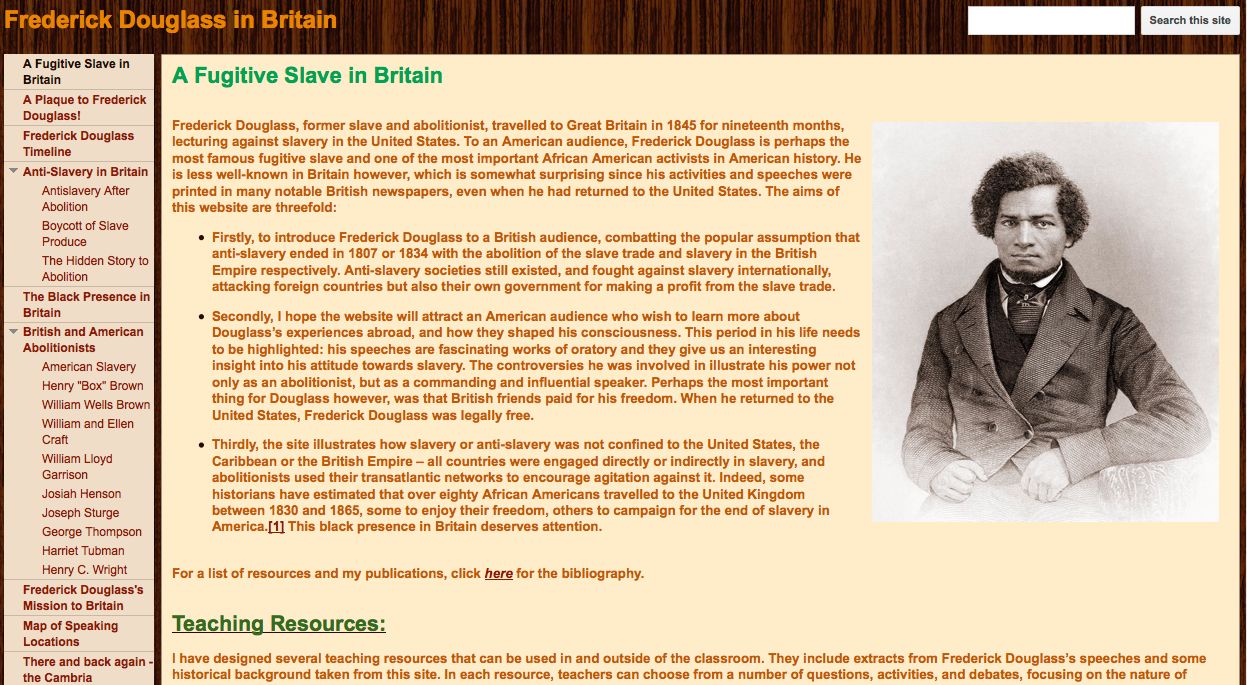
Frederick Douglass is one of the most famous African Americans in the United States, but few have heard of him in Britain. This demands redress, as in 1845 Douglass travelled to the British Isles for nearly two years, lecturing over three hundred times in cities across the country. Read More
“‘He has to be crazy to keep flying combat missions after all those close calls he’s had. Sure, I can ground Orr. But first he has to ask me to. . . . ‘
“‘And then you can ground him?’ Yossarian asked.Read More
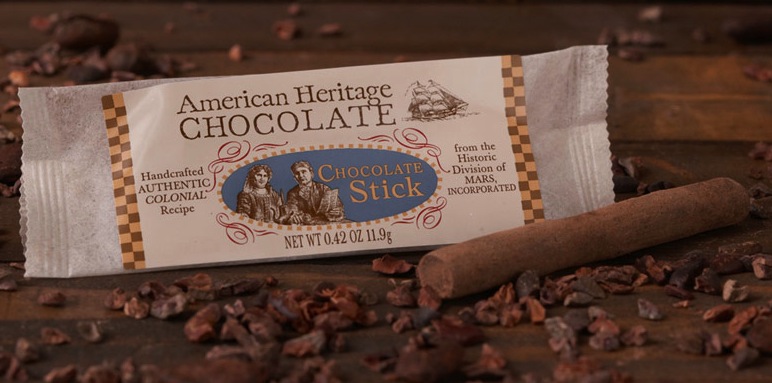
I recently attended a conference whose organizers had discovered a remedy for the dreaded low-energy times of day when audience attention wanes: schedule a presentation about chocolate, complete with free samples. The talk was by Amanda Lange of Historic Deerfield, Inc.Read More
I recently started a new position at the Philadelphia Museum of Art as a Curatorial and Interpretation Fellow, for which my Public History degree from American University has been (and will continue to be) invaluable. Understanding art through history and vice versa is one of the joys of curatorial work in an art museum, but interpreting cultural, historical, religious and aesthetic context to a wider audience can be a real challenge. Read More
Sign Up to Receive News and Announcements Emails from NCPH
You may unsubscribe or change your preferences at anytime by emailing [email protected] Cavanaugh Hall 127, 425 University Blvd., Indianapolis, IN 46202-5140 (317) 274-2716 [email protected]