The Medical Heritage Library (MHL) is a virtual gateway to tens of thousands of digitized medical rare books, pamphlets, journals and films contributed by several of the world’s leading medical libraries. Open access to these materials through the Internet Archive enables scholars and the general public alike to explore the “interrelated nature of medicine and society, both to inform contemporary medicine and strengthen understanding of the world in which we live.” Read More
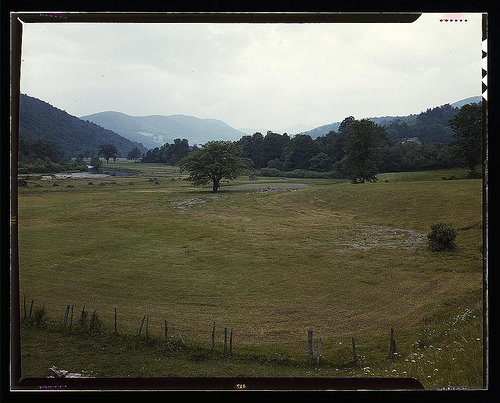
Doing public programs is never easy, but it is the most immediate and rewarding way to engage directly with your audience. This past semester, the Cooperstown Graduate Program’s oral history project experimented with a new type of public program. Taking our cue from the statewide “Community Conversations” sponsored by the New York Council for the Humanities, which also provided funding for our project, we decided to use our large archive of oral histories as the basis for a series of dialogues about important environmental topics. Read More
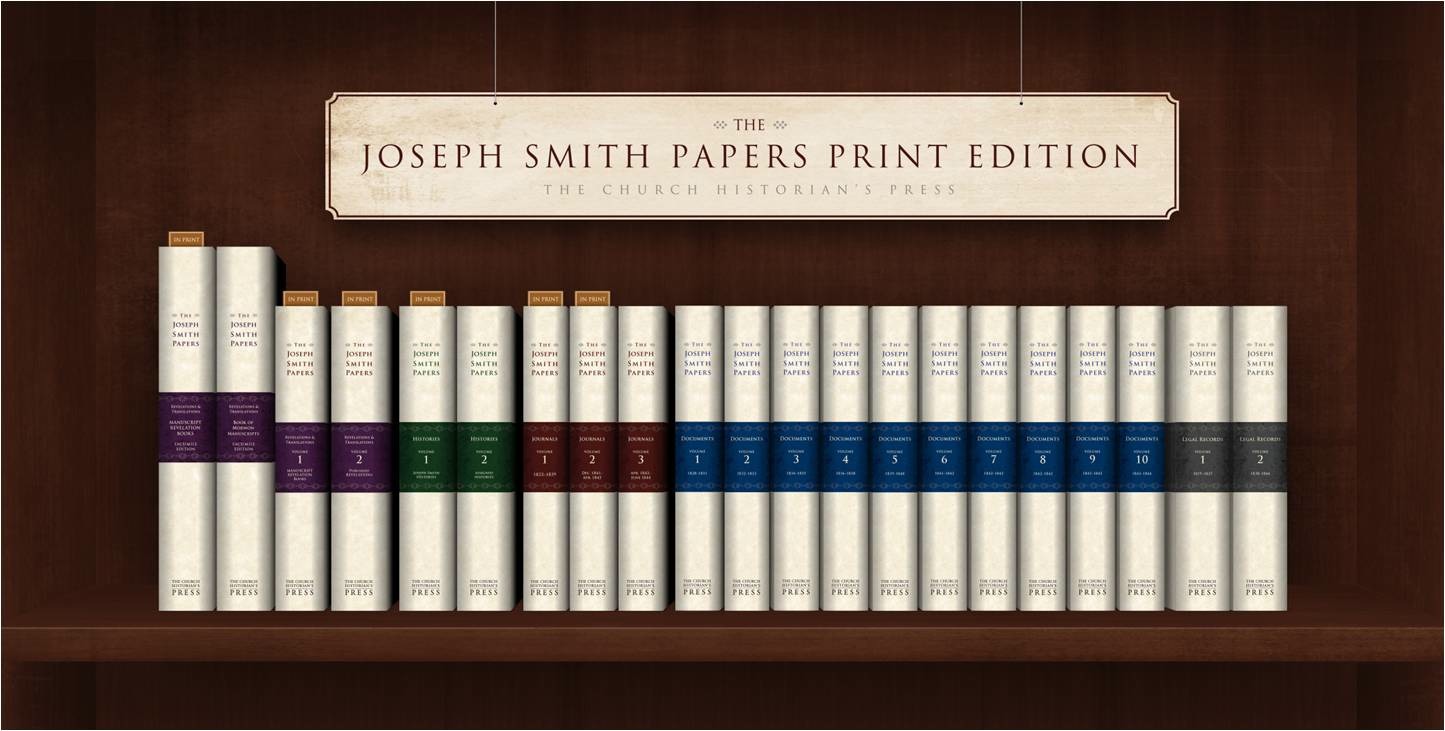
Historians working on the Joseph Smith Papers have to navigate a balancing act between our various audiences—much like those who do contract history work. For the most part, the project has succeeded in its attempts to be balanced. In a review of the first volume of the Journals series in the journal Documentary Editing, Kenneth Minkema, executive editor of the Works of Jonathan Edwards, declared, “Readers need not raise a skeptical eyebrow when they see this edition is produced by LDS members and printed by an LDS press.” Read More
In the course of moving Ruskin College, the trade union and labour movement college founded in central Oxford in 1899, from its prime location to a site on the outskirts of the city, the college has been re-branded and much of its archive destroyed or dispersed to other institutions. Read More
In my years as a historical consultant, I did several projects for agencies such as the National Park Service and the U.S. Army Corps of Engineers. Much like the church for which I now work, these agencies are interested in their past, but also are sensitive to criticisms that have been levied against them by opposing groups, such as environmental organizations. Read More
Some time ago, I had the opportunity of hearing a presentation by Daniel Walker Howe, a historian who won the 2008 Pulitzer Prize for his book What Hath God Wrought: A History of the United States, 1815-1848. In the course of the seminar, Howe made a plea for academic historians to stop ignoring the general public in their work, declaring that it was time for historians to stop talking only to each other and to engage the larger public. Read More
Earlier this summer, as temperatures soared above 100 degrees in El Paso, I was tucked away in a cool room inside the University of Texas El Paso Library’s Special Collection department. I was working with the Casasola Photograph Collection, which holds prints and negatives from the popular Casasola Studio that was located in Downtown El Paso, Texas. Read More
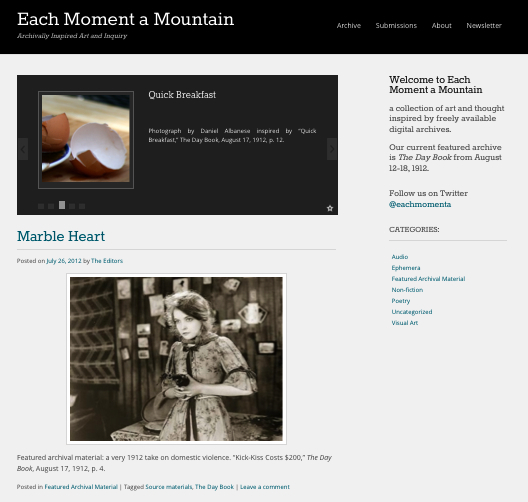
Each Moment a Mountain is a public history and digital humanities project that celebrates art and thought inspired by the wealth of materials housed in freely available digital archives. Showcased are poetry, fiction, non-fiction, art, multimedia, comics, humanities scholarship and other digitally representable creations that engage with text or images from our featured historical archives. Read More
The National Archives at Kansas City welcomed four local Wikipedians for a Meetup and Scanathon Saturday on June 16, 2012. The meetup theme was “Between the Rivers” and focused on photos and textual holdings related to the Missouri and Mississippi Rivers. Read More
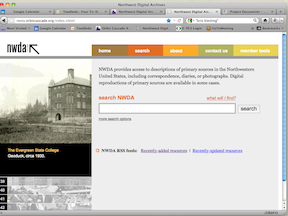
With the completion of a year-long grant project this month, participants in Northwest Digital Archives’ Expanding Access Grant will have exposed almost 500 new collections in Washington, Oregon, Idaho, and Montana through NWDA’s database. The database, which offers access to more than 11,500 finding aids for archival collections at thirty-seven institutions, is an efficient means for collection discovery and exposure at a wide variety of institutions and repositories. Read More
Sign Up to Receive News and Announcements Emails from NCPH
You may unsubscribe or change your preferences at anytime by emailing [email protected] Cavanaugh Hall 127, 425 University Blvd., Indianapolis, IN 46202-5140 (317) 274-2716 [email protected]