I have always thought of public history as a tool to assist us in mediating unchartered territory. More specifically, museums can serve as public forums to tackle persistent forms of oppression that have escaped clear resolve. This vision seems particularly relevant today. Read More
(Editor’s Note: This post is the second in a series on the Amsterdam Museum. To read the first post, click here.)
“The stadiums are getting fuller and the churches emptier.”
This observation, from Amsterdam Museum director Paul Spies, served as the inspiration for the museum’s intriguing, controversial, and, at times, humorous temporary exhibit Football Hallelujah!Read More
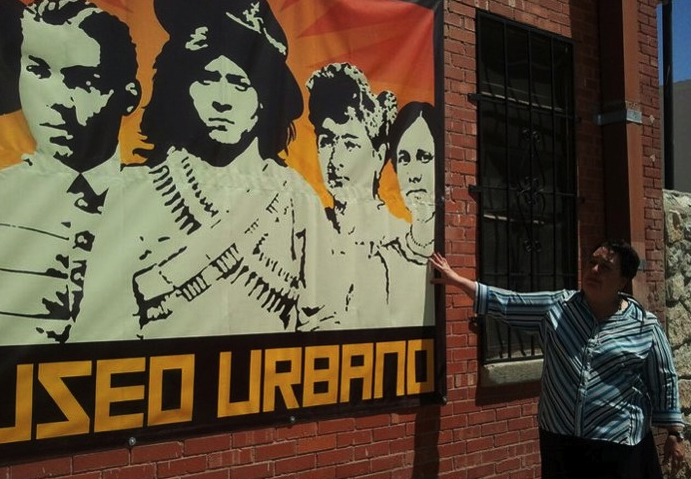
Hardball history that places historians at the center of politics, advocacy, and activism can be a difficult journey, but it can also be inspiring. My introduction to public history coincided with the 2006 unveiling of a controversial downtown revitalization plan in the city of El Paso, Texas. Read More
“You know who has money to help you.” I responded to this truth by listing three millionaires from whom I would not accept funding for Museo Urbano, the public history project housed in the Department of History at the University of Texas at El Paso (UTEP). Read More
To borrow Shakespeare’s phrase, some public history work is born political, some becomes political, and some has politics thrust upon it. Whether we intentionally locate ourselves in controversial settings, have something blow up in our faces, or encounter less spectacular kinds of resistance or misunderstanding, we’re always on the edge of the political, even when we don’t set out to be. Read More
How can public historians and their audiences come to terms with the traumatic and ongoing legacies of racism and slavery in the United States? This is the question motivating a project I’m currently working on in Philadelphia with a group of ex-offenders, ages 21 to 72. Read More
2014 saw huge steps forward in representations of LGBTQ (Lesbian, Gay, Bisexual, Transgender, Queer, and Questioning) lives in public history on both sides of the Atlantic. Projects have been launched in both the United States and the United Kingdom that aim to reveal national histories of LGBTQ lives, highlighting the ways that international conversations about approaches to public history are developing and impacting positively on the practice of public history. Read More
Editors’ Note: In 2016, the National Park Service will mark the 100th anniversary of its founding, and the National Historic Preservation Act will have been in effect for 50 years. These two landmark moments come just two years after the National Museum of American History quietly marked its own 50th anniversary in 2014.Read More
As a graduate student of public history who specializes in early America, I spend a lot of time thinking about borders and peripheries, not just the temporal and spatial borders of British North America, but the figurative borders within which the “traditional” American experience is circumscribed. Read More
Sign Up to Receive News and Announcements Emails from NCPH
You may unsubscribe or change your preferences at anytime by emailing [email protected] Cavanaugh Hall 127, 425 University Blvd., Indianapolis, IN 46202-5140 (317) 274-2716 [email protected]




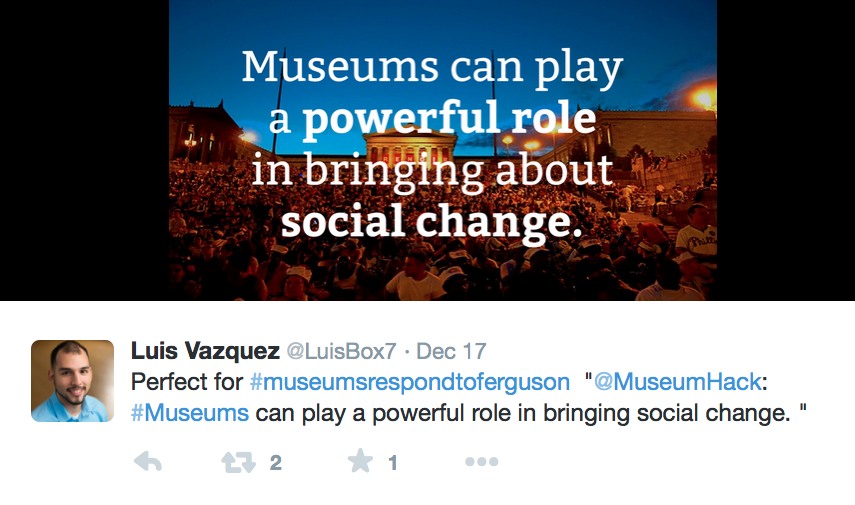 I have always thought of public history as a tool to assist us in mediating unchartered territory. More specifically, museums can serve as public forums to tackle persistent forms of oppression that have escaped clear resolve. This vision seems particularly relevant today. Read More