Editors’ Note:This series showcases the winners of the National Council on Public History’s annual awards for the best new work in the field. Today’s post is by Ellen Kuhn, Shawna Prather, and Ashley Wyatt, students at the University of North Carolina Greensboro and co-creators of the exhibit “Past the Pipes: Stories of the Terra Cotta Community,” which won the 2013 Student Project Award.Read More
We public historians are increasing our fluency in languages. We are conversing with colleagues across the globe and across disciplines, we are ever dexterous in our work with new media, and we are constantly strengthening the ways we reach out to audiences, drawing from a language of engagement that has emerged since our field’s early days and that has blossomed in the last ten years. Read More
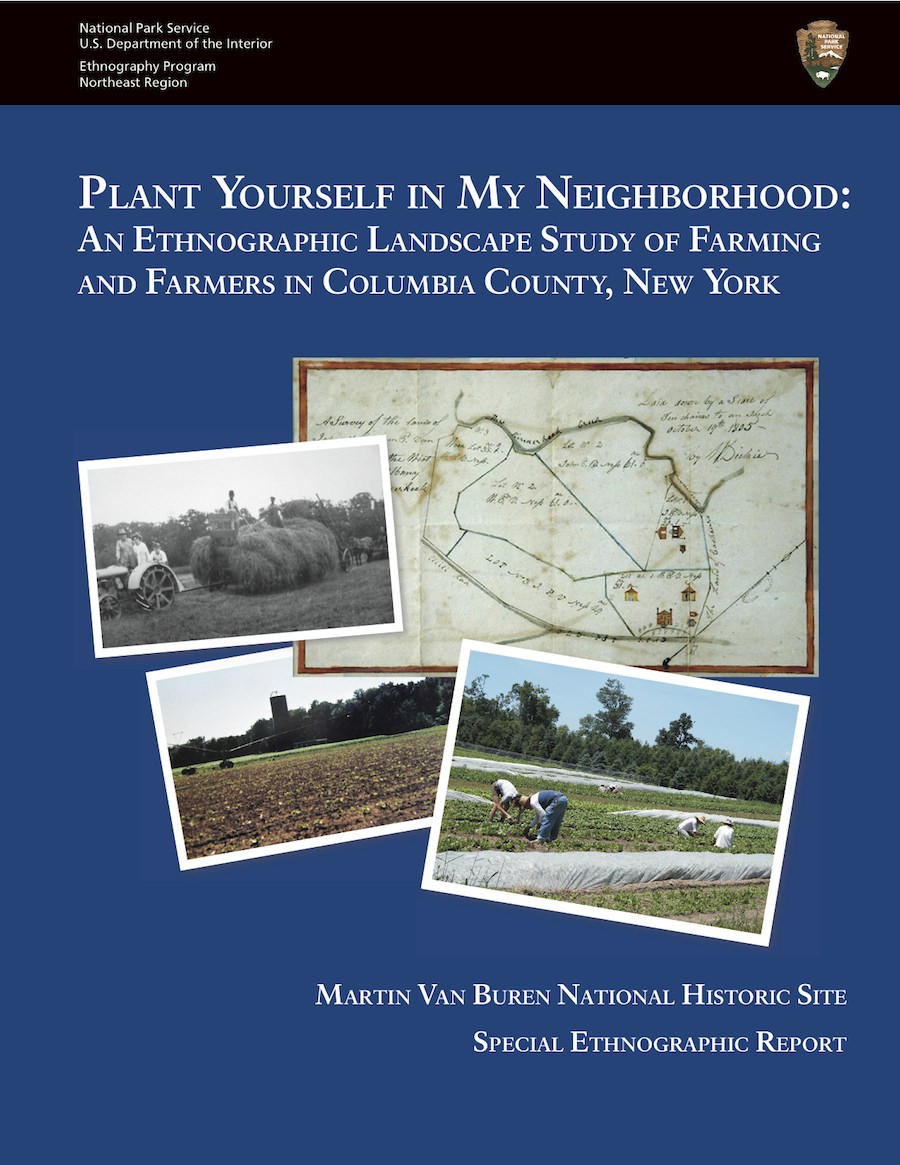
Editors’ Note: This series showcases the winners of the National Council on Public History’s annual awards for the best new work in the field. Today’s post is by Cathy Stanton, winner of the 2013 NCPH Excellence in Consulting Award in the individual category for “Plant Yourself in My Neighborhood: An Ethnographic Landscape Study of Farming and Farmers in Columbia County, New York.”Read More
Pick up a penny. On one side, we observe Lincoln as he was; on the other side, Lincoln as we have chosen to remember him. Public historians face the challenges and rewards of interpreting history for a population obsessed as much with “authenticity” as “legacy.” Read More
Editors’ Note: This series showcases the winners of the National Council on Public History’s annual awards for the best new work in the field. Today’s post is by Yolanda Chávez Leyva, co-director of Museo Urbano at 500 S. Oregon, the winner of the 2013 NCPH Public History Project Award.
The recent History@Work post postulating the importance of peer review and its possibilities in digital form challenges us to rethink more traditional methods of scholarly review. History@Work’s inaugural year demonstrates that the uptick in attention to public history’s products and projects in academic, international, and other circles is pushing and pulling us in new directions. Read More
In a recent post on History@Work, Zachary McKiernan discussed the utility of an international vision of public history. In many ways, this post encapsulates the rising interest in public history practices outside North America. The recent creation of the International Federation for Public History (IFPH) is a prime example of this. Read More
In August, 2012, an extraordinary thing happened: a small museum, dubbed the Friends of Science East (FSE, now the Tesla Science Center at Wardenclyffe), which was being run out of two unused classrooms in a local high school on Long Island, began an online fundraising campaign which raised over $1 million in just over a week. Read More
We are just passing that time of year when my team at The Trustees of Reservations transitions out of our high season and into the relative quiet of the winter. With a busy program season for our historic homes from around April to October and a budget planning season starting in December, I have about two months in the fall to review all of the data that we have collected. Read More
I was pleased to see a feature in a recent NCPH email update informing readers that the National Collaborative for Women’s History Sites had made recommendations for how to involve more women’s stories at American historic sites. The NCWHS joined the Secretary of the Interior in arguing that our parks and historic sites should “reflect the significance of women and girls being half of our U.S. Read More
Sign Up to Receive News and Announcements Emails from NCPH
You may unsubscribe or change your preferences at anytime by emailing [email protected] Cavanaugh Hall 127, 425 University Blvd., Indianapolis, IN 46202-5140 (317) 274-2716 [email protected]