There are layers of history contained in the album cover for Moms at the “Mich.” Jackie “Moms” Mabley’s career ran from the queer Harlem comedy clubs of the 1920s to early race films, from the mid-century “chitlin’ circuit” to the family-friendly late-career movie Amazing Grace (1974). Read More
AWARD: The Public History Prize is open to third and fourth year university students in New South Wales and the Australian Capital Territory who are studying history (both Australian and international) and whose research paper or project engages with the field and practice of professional and public history. Read More
In the final post of this series, we consider how the “Slavery at South Carolina College” project has been received. The most important effects have been local. The website has acted as a catalyst that has increased awareness of slavery at the university and an interest among students and faculty in speaking plainly about that history. Read More
As well as trying to convey a sense of these enslaved workers as people, the team of graduate students working on the “Slavery at South Carolina College” website also sought to connect this history to the physical landscape. Read More
Written on the landscape of the University of South Carolina is an untold yet well-documented story of slavery. Enslaved people constructed the buildings of the university’s antebellum predecessor, South Carolina College, attended to the wants of white students and faculty, and performed countless tasks essential to running the college. Read More
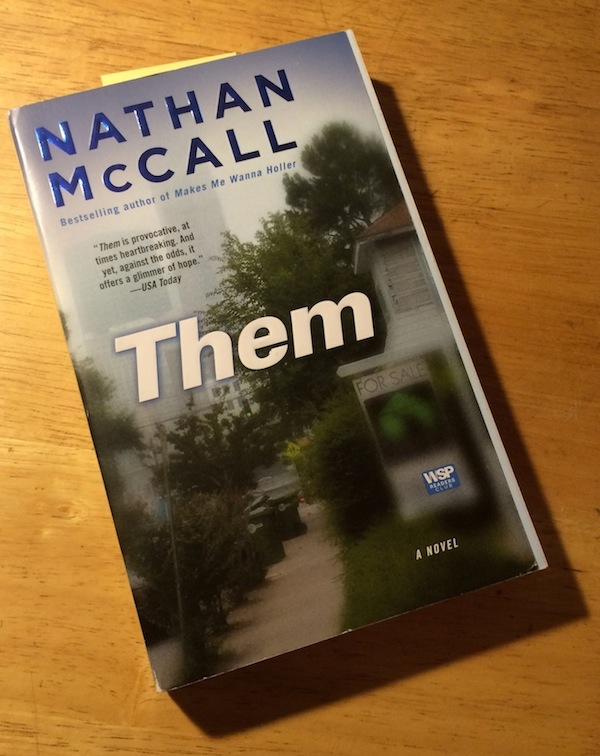
In 2007 Atlanta journalist Nathan McCall’s novel Them was published. The book is a fictionalized account of a very real Atlanta neighborhood–the Old Fourth Ward–undergoing gentrification. The neighborhood is a place where civil rights historic landmarks jockey for attention and dollars among hip bars and restaurants. Read More
Last Thursday, the US Supreme Court and a federal district court issued separate rulings striking down voter ID laws in Wisconsin and Texas. The Texas ruling should be of particular interest to public historians because of the extent to which history is at the center of US District Court Judge Nelva Gonzalez Ramos’s decision. Read More
Currently, public history educators are discussing whether their graduate students should be required to write master’s theses. Although some students (including myself) at times bemoan the thesis as impractical and suggest a public history project or portfolio as an alternative, I found my thesis experience to be integral to my development as a public historian. Read More
Sign Up to Receive News and Announcements Emails from NCPH
You may unsubscribe or change your preferences at anytime by emailing [email protected] Cavanaugh Hall 127, 425 University Blvd., Indianapolis, IN 46202-5140 (317) 274-2716 [email protected]