The National Museum of American History is home to all sorts of presidential artifacts. From Warren Harding’s silk pajamas to the gavel used in Bill Clinton’s impeachment trial to the ornate inkstand Abraham Lincoln dipped his pen into when signing the Emancipation Proclamation, the material culture of the American presidency is preserved, exhibited and interpreted. Read More
On Wikipedia, Cultural Patrimony, and Historiography: This particular book—or rather, set of books—is every edit made to a single Wikipedia article, The Iraq War, during the five years between the article’s inception in December 2004 and November 2009, a total of 12,000 changes and almost 7,000 pages.Read More
Quite by accident while researching freeware backup solutions, I stumbled upon a web site that did not back up my systems, but instead tried to convince me to back up my “vital digital property.” Legacy Locker, which has been around since Spring 2009, sells services to protect families in the unfortunate but inevitable event(s) of “loss, death, or disability.” Read More
“Cleopatra, the Search for the Last Queen of Egypt,” which premiered at Philadelphia’s Franklin Institute in June, is probably the most widely hyped exhibition I’ve seen in a long time. Philly has adopted the exhibit as its own, promoting it on the Amtrak line to DC, and on every Philadelphia tourism website I’ve seen, even so far as to create a “Cleopatra VIP Hotel Package” available at 11 area hotels. Read More
As an avid reader of fashion magazines and blogs, I’ve noticed a curious trend over the past few years. Upscale boutiques are described as “curated,” selling “discerning” and “careful” collections of items. Are they just borrowing the language of museums or is something else at work when the worlds of retail and curation collide? Read More
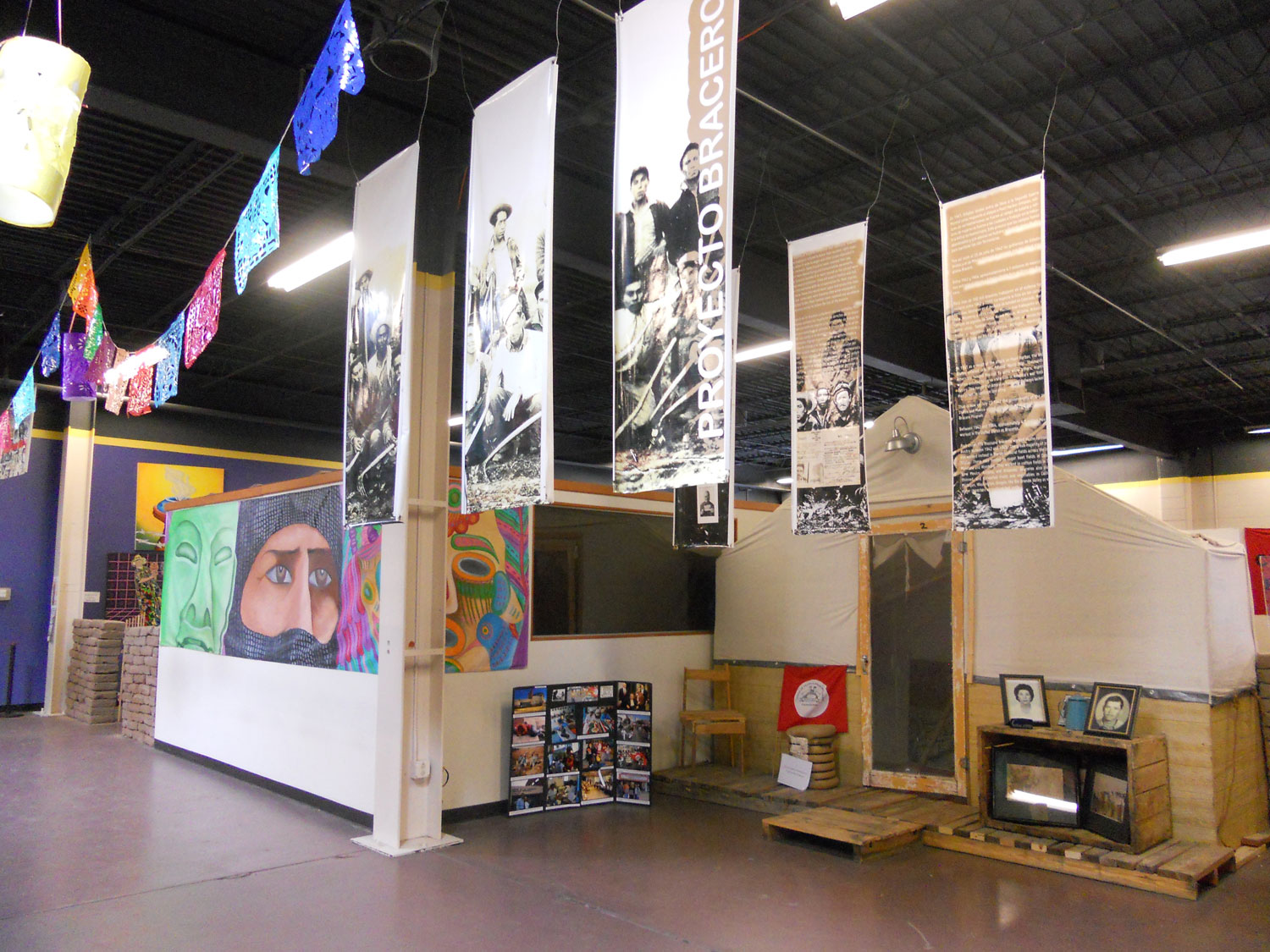
In El Paso, you can find delicious Mexican food on every major street, but Mercado Mayapan offers more than a tasty, affordable meal. Recently, while enjoying a plate of enchiladas Zacatecanas, I started thinking about Mercado Mayapan through the lens of this “Off the Wall” blog. Read More
Public historians sometimes see our our academic counterparts as tradition-bound and reluctant to engage the general public or to embrace new technologies. So it’s worth taking note of a terrific radio program hosted by three academic historians: BackStory – With the American History Guys.Read More
I would like to consider a selection of contemporary artists who utilize archives and history in their work as a method of reconstituting the meaning of history, past, place, identity, exhibitry and authorship. Since there are many interesting artists working with history and archives I will concentrate on a couple and continue with more in my future reviews. Read More
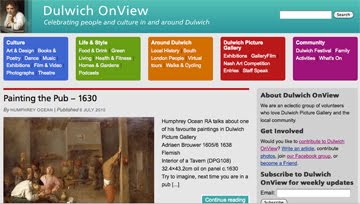
Is it possible that something interesting might come from a place called Dulwich? One suspects that the people who reside in this area of South London try extra hard at dinner parties to appear lively and witty given the name of their place of residence. Read More
Most of us are familiar with Flickr, an online open source platform for sharing, tagging and talking about user-generated digital photos. Around 5,000 images get uploaded every minute, lending credence to the notion that many of us are operating in a techno-blur of obsessive documentation and display of our lives, our people, our surroundings. Read More
Sign Up to Receive News and Announcements Emails from NCPH
You may unsubscribe or change your preferences at anytime by emailing [email protected] Cavanaugh Hall 127, 425 University Blvd., Indianapolis, IN 46202-5140 (317) 274-2716 [email protected]