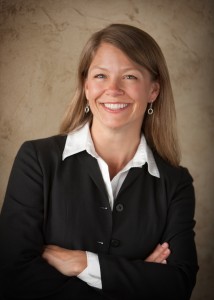
Part of what drew me to the University of South Carolina’s Ph.D. program in history in 2010 was the opportunity to engage with controversial topics while pursuing an M.A. in public history along the way. The summer after my first year in the program, I found a part-time job with a private non-profit organization looking for someone to produce a new guidebook for an historic property it managed: a farmhouse located on a former plantation in the hills of one of the Border States. Read More
As a public historian and manager of historical research at Parks Canada for the past 12 years, I have sat on many hiring committees to hire historians, policy analysts, program officers and university students for a range of heritage and history projects based in our national office in Gatineau, Quebec. Read More
This is the third post in a series to discuss the genesis of the idea for the “What Employers Seek in Public History Graduates” session at the 2013 National Council on Public History meeting in Ottawa. Session panelists will continue to share their thoughts on the topic in entries in the coming weeks. Read More
This is the second post in a series to discuss the genesis of the idea for the “What Employers Seek in Public History Graduates” session at the 2013 National Council on Public History meeting in Ottawa. Session panelists will continue share their thoughts on the topic in entries in the coming weeks. Read More
Create a hero. Use suspense. Set scenes. That was the advice offered by renowned food politics author Michael Pollan to a room of professional historians who struggle to sell their books to a wide audience and still rely on a model of doing history created at the profession’s birth more than 100 years ago. Read More
Turn to the sixth page of the 2013 Program of the American Historical Association and you will spot a genial turn of phrase: “the malleable PhD.” It refers to the idea—already engrained in the practice of public history—that graduate training need not limit one to a tenure-track teaching career. Read More
This is an initial post in a series to discuss the genesis of the idea for the “What Employers Seek in Public History Graduates” session at the 2013 National Council on Public History meeting in Ottawa. Session panelists will share their thoughts on the topic in entries in the coming weeks. Read More
In Part 1 of this post, participants in a Northwest History Network professional development program called Who Hires Consulting Historians? talked about some of the “soft skills” that employers look for. Part 2 is an additional excerpt from the discussion. You can hear a podcast of the entire program here. Read More
Historians working on the Joseph Smith Papers have to navigate a balancing act between our various audiences—much like those who do contract history work. For the most part, the project has succeeded in its attempts to be balanced. In a review of the first volume of the Journals series in the journal Documentary Editing, Kenneth Minkema, executive editor of the Works of Jonathan Edwards, declared, “Readers need not raise a skeptical eyebrow when they see this edition is produced by LDS members and printed by an LDS press.” Read More
Sign Up to Receive News and Announcements Emails from NCPH
You may unsubscribe or change your preferences at anytime by emailing [email protected] Cavanaugh Hall 127, 425 University Blvd., Indianapolis, IN 46202-5140 (317) 274-2716 [email protected]