The wide scope of new Smithsonian Secretary David J. Skorton’s interests and expertise is a good match for the sweeping breadth of the Smithsonian Institution. Formerly president of Cornell University, Skorton is a cardiologist and biomedical researcher who is also an accomplished jazz musician. Read More
Gardens are personal. To some they are a way to grow food, to others a space of serene retreat, and to others still a background for celebrating culture and friendship. For many, they encompass a host of meanings and uses. How do we collect these ephemeral stories? Read More
Editor’s Note: This series showcases the winners of the National Council on Public History’s awards for the best new work in the field. Today’s post is by Julia C. Wells, author of “In the Shadow of the Butcher: The Limits to Confronting Colonial Legacies Through Commemoration in South Africa,” The Public Historian Vol 36, No 2.Read More
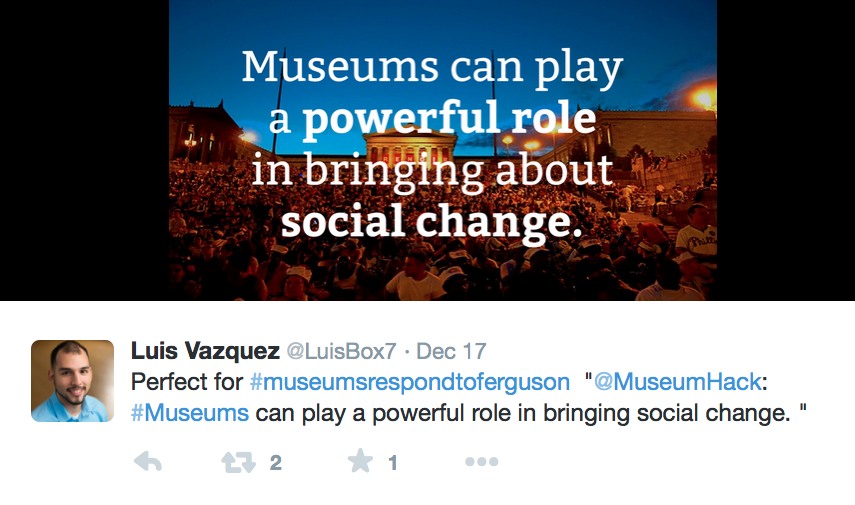
I have always thought of public history as a tool to assist us in mediating unchartered territory. More specifically, museums can serve as public forums to tackle persistent forms of oppression that have escaped clear resolve. This vision seems particularly relevant today. Read More
In early 2014, a small historical society outside of Portland, Oregon, circulated a request for proposals (RFP). Having received a grant from their local government, they sought to hire a curator for a one-year contract. The duties of the curator included: inventorying and assessing collections, developing and implementing a policy and procedural structures for managing collections, creating an interpretative plan, developing a public services strategy, and staffing the museum every weekend. Read More
Editor’s Note: This series showcases the winners of the National Council on Public History’s awards for the best new work in the field. Today’s post is by the students of the Jenks Society for Lost Museums, creator of a unique exhibition in the Brown Public Humanities Program.Read More
(Editor’s Note: This post is the second in a series on the Amsterdam Museum. To read the first post, click here.)
“The stadiums are getting fuller and the churches emptier.”
This observation, from Amsterdam Museum director Paul Spies, served as the inspiration for the museum’s intriguing, controversial, and, at times, humorous temporary exhibit Football Hallelujah!Read More
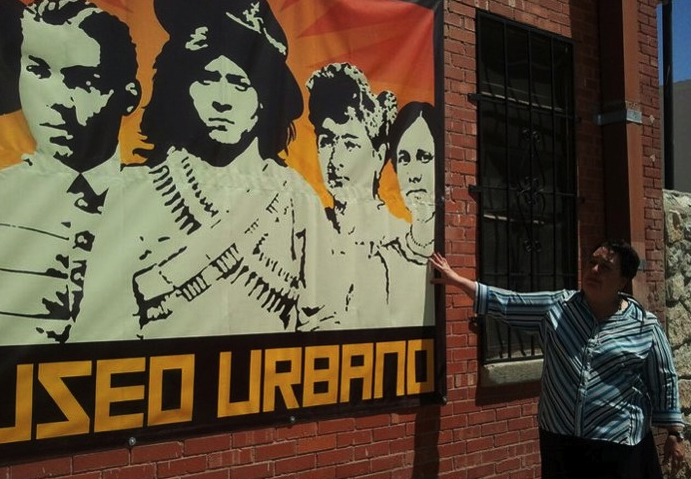
Hardball history that places historians at the center of politics, advocacy, and activism can be a difficult journey, but it can also be inspiring. My introduction to public history coincided with the 2006 unveiling of a controversial downtown revitalization plan in the city of El Paso, Texas. Read More
“You know who has money to help you.” I responded to this truth by listing three millionaires from whom I would not accept funding for Museo Urbano, the public history project housed in the Department of History at the University of Texas at El Paso (UTEP). Read More
Sign Up to Receive News and Announcements Emails from NCPH
You may unsubscribe or change your preferences at anytime by emailing [email protected] Cavanaugh Hall 127, 425 University Blvd., Indianapolis, IN 46202-5140 (317) 274-2716 [email protected]