The American narrative, like any cultural narrative, consists of stories that structure and assign meaning to the nation’s origin, history, and existence. In theory, this narrative can link Americans who have experienced genocide, slavery, and white privilege. But for people descended from enslaved peoples, this narrative has instead been used to conceal the inconvenient truths of systemic historic and current racial injustice and inequality. Read More
Editor’s note: This post concludes a series commemorating the anniversary of the National Historic Preservation Act by examining a part article published in The Public Historian, describing its significance and relating it to contemporary conversations in historic preservation.
Historic preservation exists to tell stories of our journeys as a people and as a nation, but somehow along the way the stories of America’s African American, Latino, Asian, and Native American communities are erased or obscured as historians and preservationists tell the great American story. Read More
Editor’s Note: This post is part of a special online section accompanying issue 37 (2) of The Public Historian, guest edited by Lisa Junkin Lopez, which focuses on the future of historic house museums. The contributions in this section highlight the voices of artists who engage with historic house museums as sites of research, exhibition, and social practice.Read More
Over the past few years, I have been writing about gentrification and how it intersects with history in an Atlanta, Georgia, suburb. Twenty-five months and more than 50 interviews after I started talking with people and documenting neighborhood change in the Oakhurst area of Decatur, I met playwright Valetta Anderson, who works at Atlanta’s Woodruff Arts Center. Read More
Muralist and activist Mike Alewitz has finished his tribute to the labor and social justice movements, an imposing four-panel painting titled The City at the Crossroads of History–but the museum it was commissioned for doesn’t want it.
The Puffin Foundation, a grant maker that frequently supports politically left artists, engaged Alewitz to create the mural for a new gallery at the Museum of the City of New York. Read More
The killings at the Charlie Hebdo office in Paris this week have prompted a passionate defense around the world of political cartoons as free speech, a form of journalistic expression that exemplifies (and occasionally pushes the boundaries of) a free press’s role as critic and gadfly. Read More
Editor’s Note: This piece continues a series of posts related to the Guantánamo Public Memory Project, a collaboration of public history programs across the country to raise awareness of the long history of the US naval base at Guantánamo Bay (GTMO) and foster dialogue on its future. Read More
For most of my experience as a public-historian-in-training, I did not often think about the arts in any purposeful way. I played in an orchestra from elementary school through college, have a not-so-secret love for musicals (my roommates are probably tired of hearing me sing Disney songs in the shower!), Read More
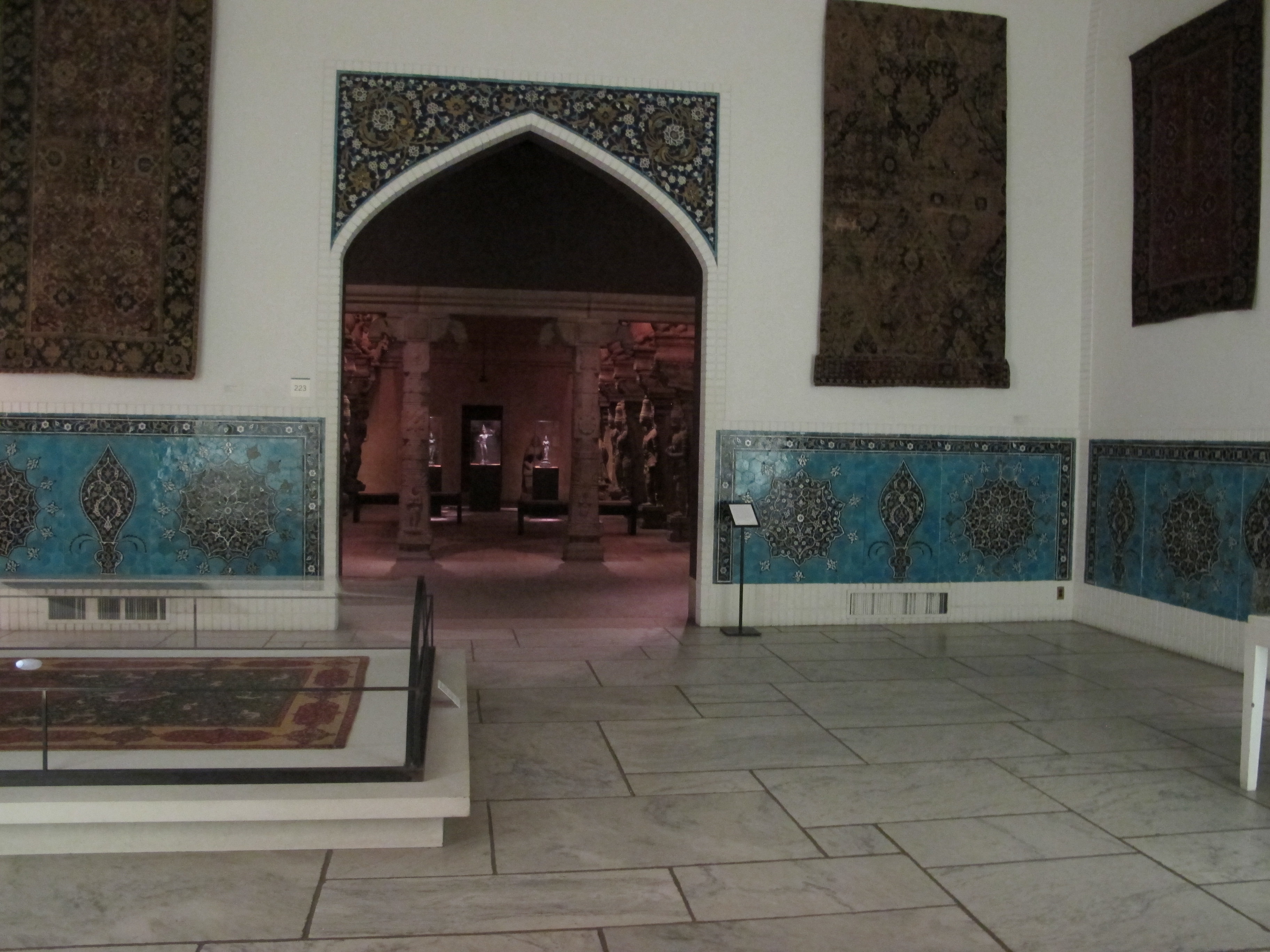
The first big step in the Philadelphia Museum of Art’s re-installation process was to conduct visitor research. How do visitors feel about the current South Asian galleries? What do they already know about the area’s religions, geography, cultures, etc.? Read More
Sign Up to Receive News and Announcements Emails from NCPH
You may unsubscribe or change your preferences at anytime by emailing [email protected] Cavanaugh Hall 127, 425 University Blvd., Indianapolis, IN 46202-5140 (317) 274-2716 [email protected]