The following list was developed from the case statements of the Public History and Sustainability Working Group at the April 2012 NCPH/OAH conference in Milwaukee as well as from the 2010 Working Group that inaugurated this discussion and some other sources. Read More
The following point paper was developed by participants in the Public Historians and Sustainability Working Group, which met in Milwaukee in April 2012. The paper is currently being circulated to the National Council on Public History Board, and the Working Group invites comments on it here as well. Read More
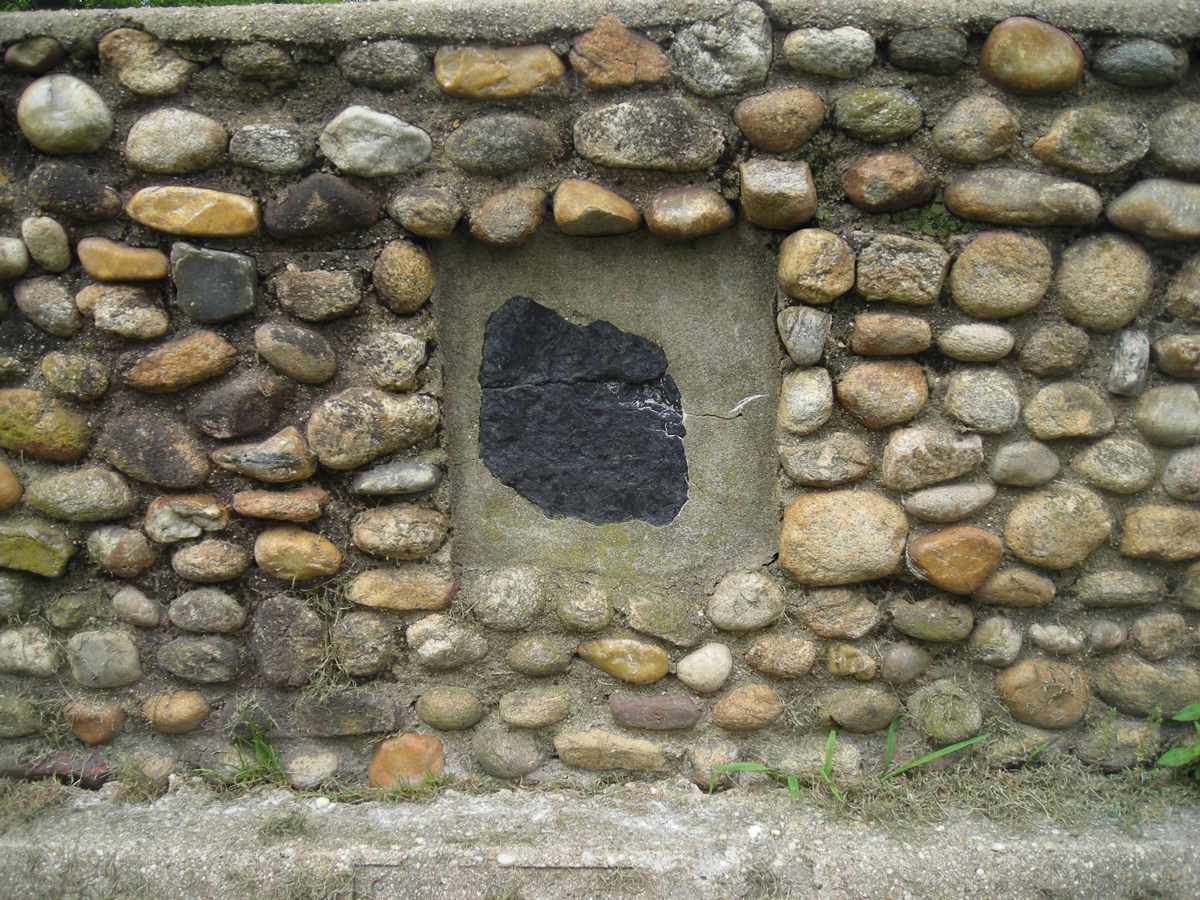
The Southern landscape and many other parts of the United States remain pockmarked with state historical markers that demand reinterpretation or removal. One state historical marker noting the failure of New Orleans’ 17th Street Canal in the aftermath of Hurricane Katrina demonstrates that Louisiana has landed on the right side of this history. Read More
NCPH/OAH Annual Conference, Milwaukee, April 20, 2012
Panelists discussed specific ways historians can think about and contribute to solutions about climate change. Chair Phil Scarpino (IUPUI) began by asking, “Why should historians talk about the future? Read More
As with digital history, environmental history and environmental issues are turning up across the 2012 conference program, part of the gradual but (I hope) increasing interest in finding ways to connect our historical work with the concern that many of us feel about climate change and all that relates to it. Read More
The recent reviews of Ken Burns’ National Parks film in The Public Historian got me thinking about the NPS site in my hometown, Oyster Bay, Long Island. Sagamore Hill was the home of Theodore Roosevelt for most of his adult life, and it was where he died in 1919. Read More
I spent the first part of this summer in North Yorkshire leading the University of South Carolina’s England Field School. In the early evening while we gathered in the TV room waiting for dinner to be prepared, I valiantly argued that East Enders was the best thing on the BBC – a downright cultural phenomenon that they should appreciate. Read More
The National Museum of American History is home to all sorts of presidential artifacts. From Warren Harding’s silk pajamas to the gavel used in Bill Clinton’s impeachment trial to the ornate inkstand Abraham Lincoln dipped his pen into when signing the Emancipation Proclamation, the material culture of the American presidency is preserved, exhibited and interpreted. Read More
Sign Up to Receive News and Announcements Emails from NCPH
You may unsubscribe or change your preferences at anytime by emailing [email protected] Cavanaugh Hall 127, 425 University Blvd., Indianapolis, IN 46202-5140 (317) 274-2716 [email protected]