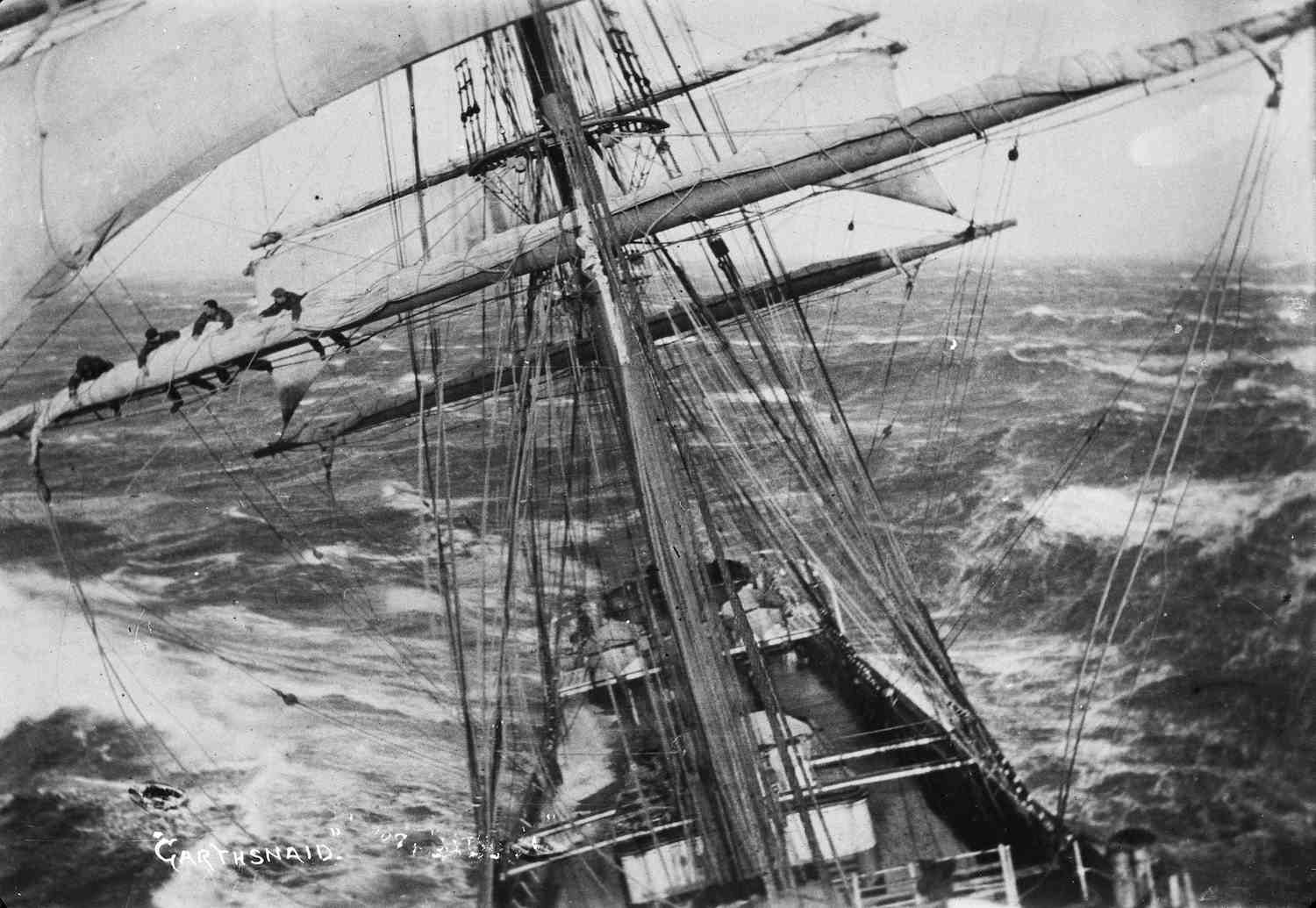
There’s been a lot of discussion lately about the number of academic public history programs, the saturation of the job market, and concern about the training students are receiving (see Robert Weyeneth’s article “A Perfect Storm”). Curtailing the number of public history programs, growing the public history market, and accrediting programs are all big challenges. Read More
The digital humanities are rapidly transforming both the discipline of history and the pedagogy of public history. When I taught my first Introduction to Public History course six years ago, my course schedule had two weeks devoted to digital history; today it occupies more than half of the semester. Read More
I was editing a student’s master’s thesis and came across a note stating that she could not access two key images because they were only available on the Websites of the United States Geological Survey and the United States Department of Agriculture. Read More
On the second day of the Reading Artifacts Summer Institute (RASI), we received the artifact accession files. Although our physical examination of the stove had proven effective, artifacts need some help to speak. Read More
In August 2012, a group of 26 doctoral students and museum professionals from different disciplines and multiple countries gathered at the Canada Science and Technology Museum (CSTM) in Ottawa, Canada, for the fourth annual Reading Artifacts Summer Institute (RASI). The one-week program, guided by staff and volunteers from the museum with guest scholar Dr. Read More
One of the biggest challenges public history educators face is managing community partnerships. Such partnerships offer rich learning experiences for both undergraduate and graduate students, but they often entail numerous complications, which may lead some students and instructors to seek to avoid them altogether. Read More
EDITOR’S NOTE: This four-part post by Robert Weyeneth, President of the National Council on Public History and director of the public history program at the University of South Carolina, is also printed in the September 2013 NCPH newsletter. To add your comments, go to Part 4 of the post. Read More
The alarmed observations with which I began single out the rising numbers of both programs and graduates, but it seems to me that the real issue is quality. I believe that NCPH can address the issue of quality control from two different but related angles. Read More
Empowering students In its own way, the NCPH Guide to Public History Programs is also a best practices document itself. It is an international listing of graduate, undergraduate, and “related” public history programs that can be searched by geographical location, curricular concentration, and type of degree. Read More
Let me conclude by reiterating that these personal reflections are offered in the spirit of “NCPH as a big tent,” open and welcoming to all public historians, old hands and new, inside and outside the academy. Read More
Sign Up to Receive News and Announcements Emails from NCPH
You may unsubscribe or change your preferences at anytime by emailing [email protected] Cavanaugh Hall 127, 425 University Blvd., Indianapolis, IN 46202-5140 (317) 274-2716 [email protected]