We’re trying something new at this year’s NCPH/OAH conference, with due acknowledgement to Apple: a “genius bar” of experienced digital historians who will be available to answer questions on a wide range of topics, problems, and platforms. Our “Digital Drop-In” can be found in Exhibit Hall D Foyer, near the registration area, from 1:30 to 4:30 p.m. Read More
In Chile between 1973 and 1990, according to the 2004 National Commission on Political Imprisonment and Torture (The Valech Report), 1,132 sites were utilized as centers of detention, torture, and extermination. They ranged from hospitals and soccer stadiums to police precincts and private houses. Read More
Graduate students and new professionals headed to the NCPH/OAH Conference in Milwaukee–let’s get to know each other! Please join the NCPH New Professionals and Graduate Students Committee for a social outing at Milwaukee Ale House (233 North Water St., downtown Milwaukee, a short walk from the Frontier Airlines Center) on Thursday, April 19th, from 7:30 to 10:30pm. Read More
As with digital history, environmental history and environmental issues are turning up across the 2012 conference program, part of the gradual but (I hope) increasing interest in finding ways to connect our historical work with the concern that many of us feel about climate change and all that relates to it. Read More
Each paragraph below presents a common public history work scenario that differs – a little or a lot – from traditional academy-based work. I am looking for comments, suggestions, alternative ideas, and specific examples of what is described. This was written as a centerpiece for a work session planned for the 2012 annual meeting, but is a topic that deserves widest possible exposure. Read More
What is the best way of conveying information to an audience? This question is a perennial favorite among academics, who regularly debate the efficacy of lectures as a teaching tool. It’s an increasingly common question in the museum setting too, as more museums embrace participatory projects and initiatives. Read More
Maybe you, too, have been to professional development workshops during which you discuss the “digital natives” supposedly filling our classrooms. Our students served as the IT departments in their own homes during their childhoods, so we often make the mistake of assuming that any technological task is second nature to them. Read More
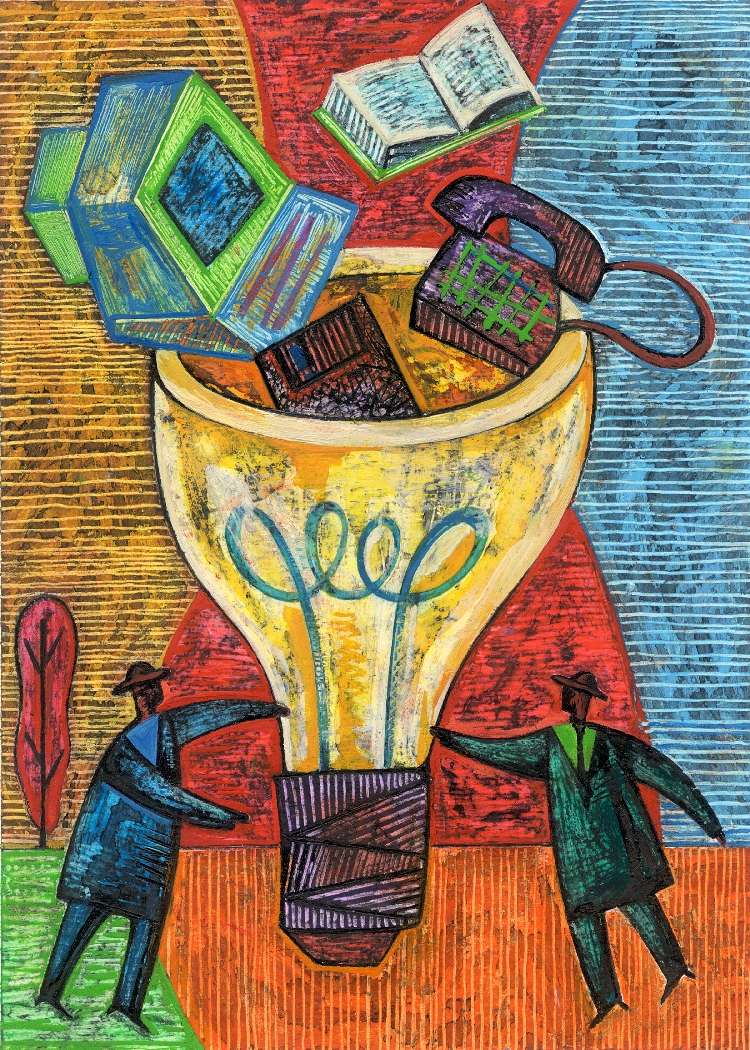
A couple or three years ago, I recall hearing someone say in a meeting of the NCPH Digital Media Group that before long, we might find that “digital history” wasn’t really a separate realm anymore, but simply integrated into most aspects of what we do as public historians. Read More
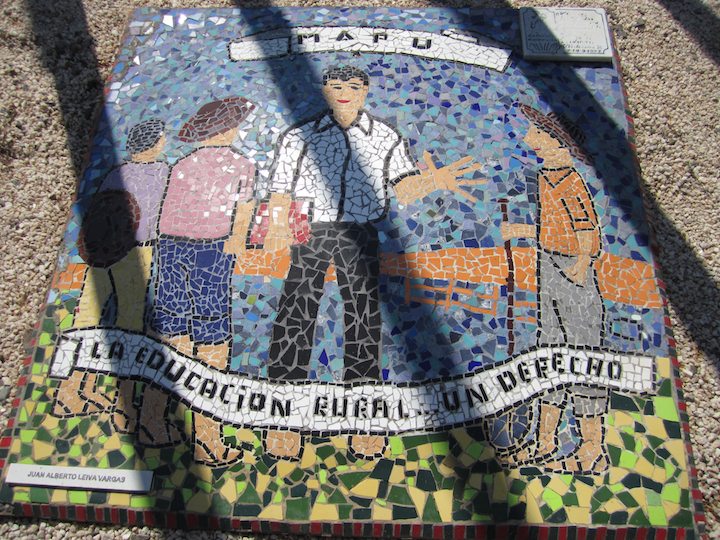
Raúl Lazo liked to ride horses. Luis Gaete worked with his hands in the fields. Juan Leiva believed rural education was a right. José Castro had a red tractor. Juan Leonardo, president of the Association of the Relatives of the Disappeared and Executed Detainees of Paine (AFDD-Paine), explained on a sunny countryside morning that this was a principal point of Memorial Paine: to (re)humanize those community members who fell victim to Pinochet’s repression in the rural region for which the memorial is named. Read More
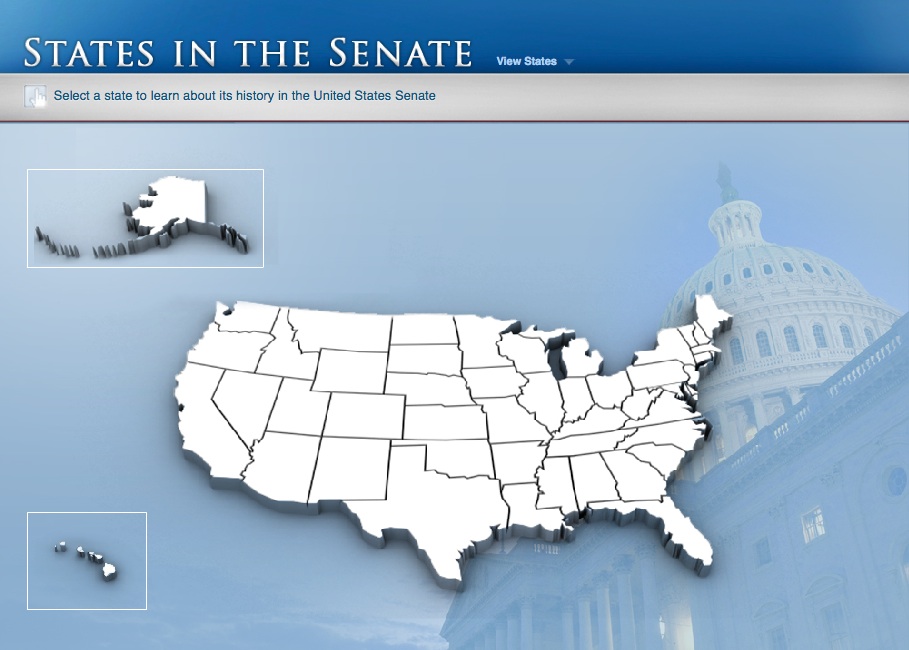
The U.S. Senate Historical Office presents a new online feature: States in the Senate. Each state has its own unique place in Senate history. Reminders that we are a union of states surround us as we walk the halls of the Senate office buildings and the U.S Read More
Sign Up to Receive News and Announcements Emails from NCPH
You may unsubscribe or change your preferences at anytime by emailing [email protected] Cavanaugh Hall 127, 425 University Blvd., Indianapolis, IN 46202-5140 (317) 274-2716 [email protected]




 We’re trying something new at this year’s NCPH/OAH conference, with due acknowledgement to Apple: a “genius bar” of experienced digital historians who will be available to answer questions on a wide range of topics, problems, and platforms. Our “Digital Drop-In” can be found in Exhibit Hall D Foyer, near the registration area, from 1:30 to 4:30 p.m. Read More