While researching at the LBJ Presidential Library over the last ten days, I’ve read numerous memos on the use of federal troops and National Guard units to quell the urban rebellions of the late 1960s. It was jarring to turn on the television Monday night and learn that Maryland’s governor had declared a state of emergency and called up the National Guard in response to the protests in Baltimore. Read More
I’ve always loved a public library. The public library in my hometown was just across the street from my dad’s office. In middle school, I would walk there after school and read books until my dad picked me up at five o’clock. Read More
It is often said that everyone should work in the customer service industry at some point in their lives so that they can understand what it’s like to interact with the world from the other side of the cash register. I feel the same way about traditional building trades. Read More
To submit an item for the News Feed, send an email to: news[at]publichistorycommons.org
ANNCT:Public History Discussion Group – “‘Negotiating control in the construction of the mental health recovery archive” (Anna Sexton) – April 25, 2015, London, U.K.
Editor’s note: This post continues a series commemorating the anniversary of the National Historic Preservation Act by examining a past article published in The Public Historian, describing its significance, and relating it to contemporary conversations in historic preservation.
Growing up as an American Indian boy in Oklahoma, I struggled every April 22nd with “89er Day,” an elementary school mini-holiday that celebrated the 1889 opening of central Oklahoma to white settlement. Read More
Editor’s Note: This series showcases the winners of the National Council on Public History’s awards for the best new work in the field. Today’s post is by Julia C. Wells, author of “In the Shadow of the Butcher: The Limits to Confronting Colonial Legacies Through Commemoration in South Africa,” The Public Historian Vol 36, No 2.Read More
Editor’s Note: This series showcases the winners of the National Council on Public History’s awards for the best new work in the field. Today’s post is by Justin L.C. Eldridge, a government historian with the Naval History and Heritage Command, whose monograph First in Class Acquisition Challenges received Honorable Mention for the Michael C.Read More
Editor’s Note: This series showcases the winners of the National Council on Public History’s awards for the best new work in the field. Today’s post is by Beth Bullock, Jayd Buteaux, and Leslie Morton, students in the Public History Program at the University of North Carolina-Wilmington. Read More
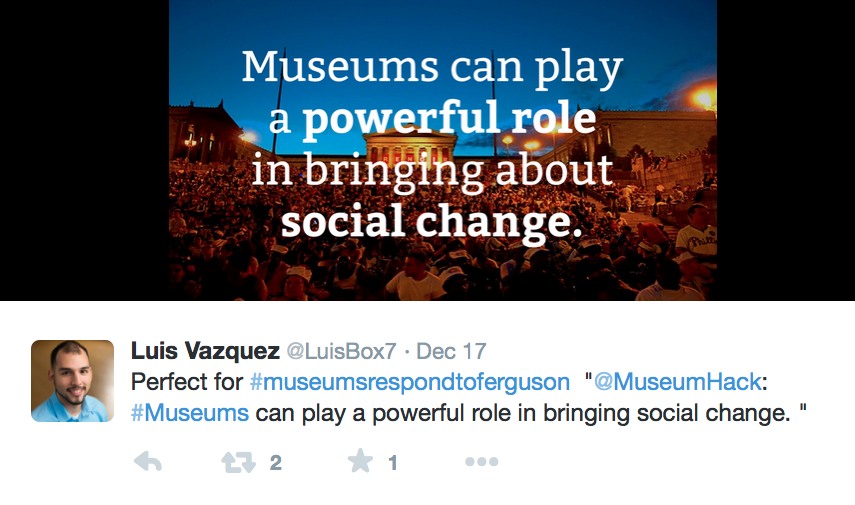
I have always thought of public history as a tool to assist us in mediating unchartered territory. More specifically, museums can serve as public forums to tackle persistent forms of oppression that have escaped clear resolve. This vision seems particularly relevant today. Read More
Sign Up to Receive News and Announcements Emails from NCPH
You may unsubscribe or change your preferences at anytime by emailing [email protected] Cavanaugh Hall 127, 425 University Blvd., Indianapolis, IN 46202-5140 (317) 274-2716 [email protected]