One of the biggest challenges public history educators face is managing community partnerships. Such partnerships offer rich learning experiences for both undergraduate and graduate students, but they often entail numerous complications, which may lead some students and instructors to seek to avoid them altogether. Read More
Editor’s Note: This piece continues a series of posts related to the Guantánamo Public Memory Project, a collaboration of public history programs across the country to raise awareness of the long history of the US naval base at Guantánamo Bay and foster dialogue on its future. Read More
I do not know how many of the learned people who follow this forum know that 40 years ago today the United States government—and to point political fingers at political figures: President Richard Nixon, Secretary of State Henry Kissinger, and CIA Director Richard Helms—actively and illegally supported a bloody military coup that overthrew the democratically elected government in Chile. Read More
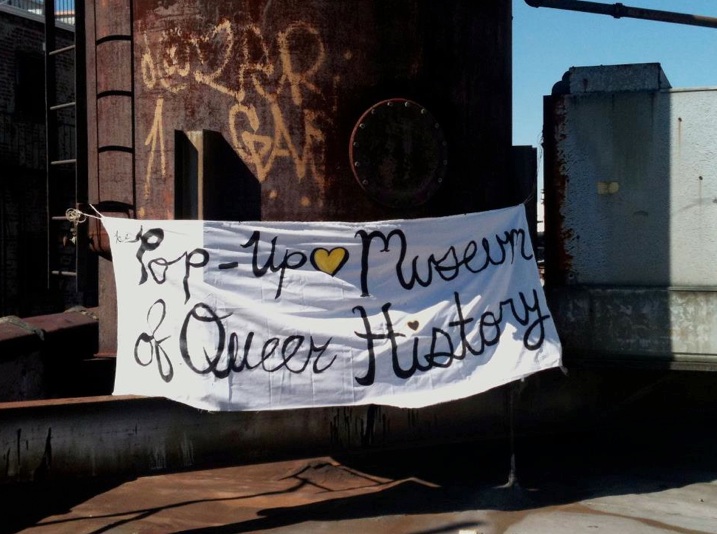
I founded the Pop-Up Museum of Queer History by accident. Originally, the idea was for a one-night party in my apartment in January of 2011, designed to create a for-us, by-us space where queer people could join together to celebrate ourselves as a valid public, worthy of speaking to; a valid subject, worthy of speaking about; and a valid authority, worthy of speaking on our own terms. Read More
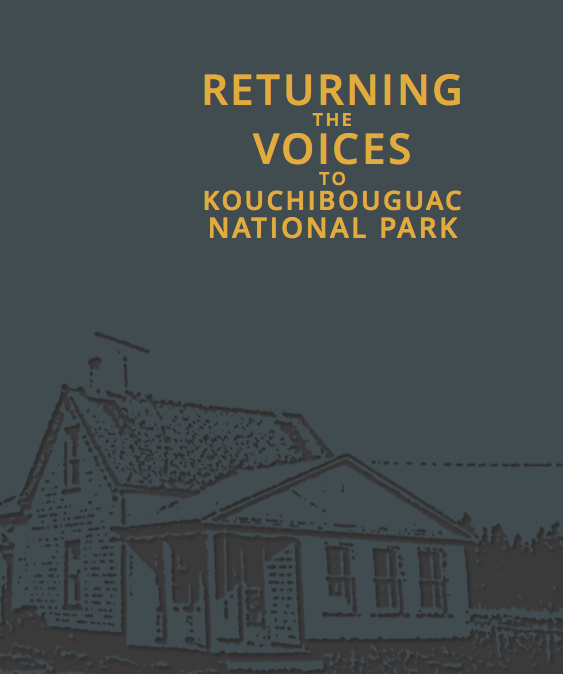
In 1969 the Canadian and New Brunswick governments agreed to create Kouchibouguac National Park along the east coast of this Atlantic province. At the time, establishment of a national park required removing the people who resided there, in the belief that nature should be exhibited to visitors without signs of any human presence. Read More
Editors’ Note:This series showcases the winners of the National Council on Public History’s annual awards for the best new work in the field. Today’s post is by Elizabeth Belanger, author of “Public History and Liberal Learning: Making the Case for the Undergraduate Practicum Experience,” which won the 2013 G.Read More
The second part of this art and public history conversation series features artist E.G. Crichton. In addition to being professor in the Art Department at UC Santa Cruz, Crichton is the first artist-in-residence for the GLBT Historical Society in San Francisco. Read More
Editors’ Note:This series showcases the winners of the National Council on Public History’s annual awards for the best new work in the field. Today’s post is by Ellen Kuhn, Shawna Prather, and Ashley Wyatt, students at the University of North Carolina Greensboro and co-creators of the exhibit “Past the Pipes: Stories of the Terra Cotta Community,” which won the 2013 Student Project Award.Read More
We public historians are increasing our fluency in languages. We are conversing with colleagues across the globe and across disciplines, we are ever dexterous in our work with new media, and we are constantly strengthening the ways we reach out to audiences, drawing from a language of engagement that has emerged since our field’s early days and that has blossomed in the last ten years. Read More
Editors’ Note: This series showcases the winners of the National Council on Public History’s annual awards for the best new work in the field. Today’s post is by Yolanda Chávez Leyva, co-director of Museo Urbano at 500 S. Oregon, the winner of the 2013 NCPH Public History Project Award.
Sign Up to Receive News and Announcements Emails from NCPH
You may unsubscribe or change your preferences at anytime by emailing [email protected] Cavanaugh Hall 127, 425 University Blvd., Indianapolis, IN 46202-5140 (317) 274-2716 [email protected]