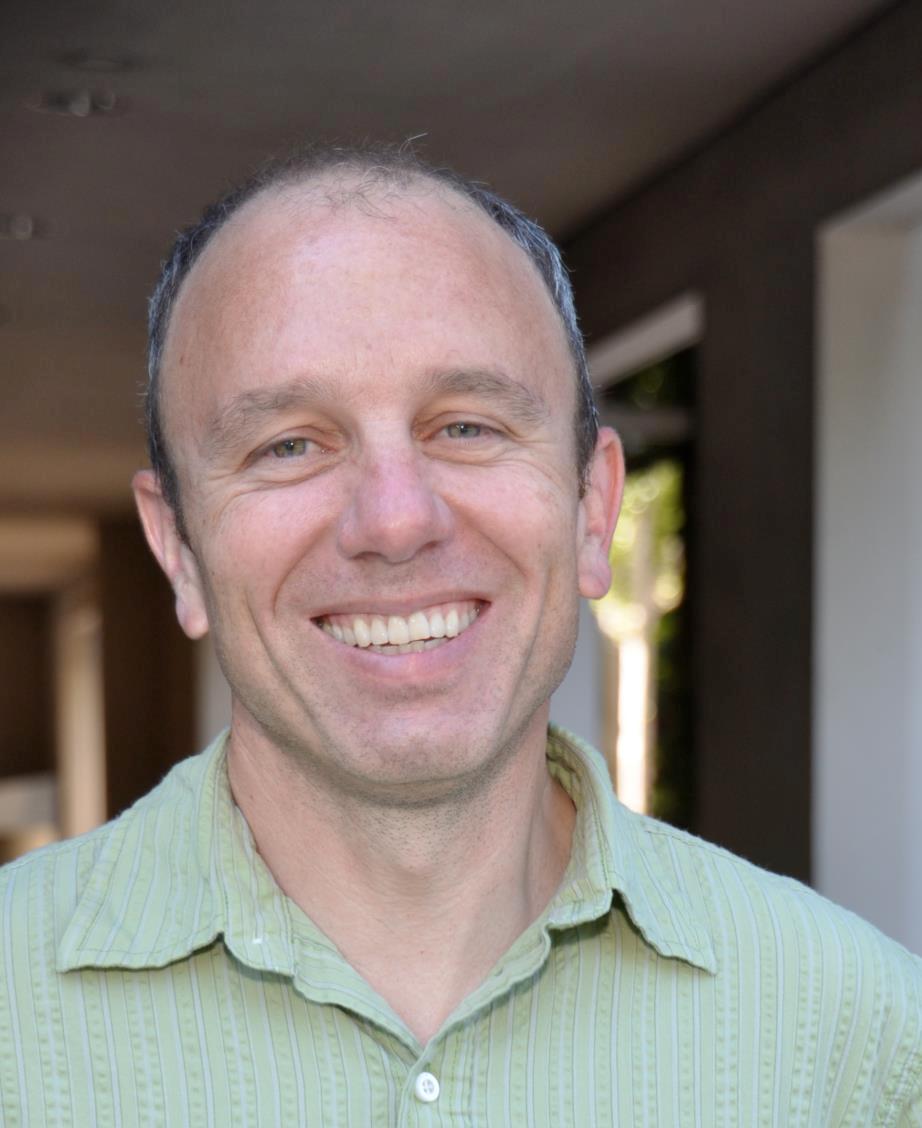
This is the third in a series of posts about the findings of our summer 2012 survey on the current state and possible future directions of The Public Historian journal and other NCPH media.
—
from Rob Townsend, Deputy Director, American Historical Association:
The Public History Readers Survey demonstrates the wide array of information sources that now dot the landscape of our professional lives, and the challenges that the National Council on Public History faces as it considers the future of its publishing program. Read More
In this election cycle, like just about every previous election cycle of recent memory, the role of higher education in improving society has been raised and debated. The past sixty years have seen unprecedented growth in the higher education sector, with a proliferation of for-profit and distance-learning options supplementing established research universities, liberal arts colleges, and community college programs. Read More
Although the central story of Historic St. Mary’s City is about its time as the first capital of Maryland in the 17th century, its space contains many more stories from later eras. One is the 19th-century story of slavery and freedom at a large slave plantation. Read More
This is the second in a series of posts about the findings of our summer 2012 survey on the current state and possible future directions of The Public Historian journal and other NCPH media.
__________________________________
from Robert Weyeneth, National Council on Public History Board President:
A number of folks are busy analyzing the information gathered by the NCPH Readers Survey conducted this summer on the future of its journal. Read More
What does it mean to be “successful” as an independent consultant? There are, in fact, many ways to succeed in this undertaking. The answer depends on how you define “success.”
The simplest measure of all is survival. Lots of people who try consulting aren’t able to make a go of it in the long run. Read More
I got my first sense of how present the Mormon past is in Salt Lake City on the shuttle ride from the airport to the convention center where the American Association for State and Local History conference was taking place. The friendly woman in the seat behind me explained that she and her family were in town for the semi-annual Mormon general conference, and pointed out that you can still see the sweep of the founders’ vision in the extraordinary four- or even six-lane width of most of the major streets. Read More
Editor’s note: This summer, the National Council on Public History asked public historians, including its own members but also other readers of its publications, to comment on the current state and possible future directions of The Public Historian journal and other NCPH media. Read More
~ Annie Cullen and Rachel Boyle, graduate students in Public History at Loyola University Chicago, are the creators of Public History Ryan Gosling, a blog that pairs the popular “Hey Girl” meme with public history theory. The project has reached over 60,000 people and stimulated meaningful conversation in various corners of the Internet. Read More
In Part I, I talked about balancing your consulting work with your own research work. Setting aside the fact that pursuing your own research in addition to your consulting work may throw the rest of your life out of kilter, you will have to assign a rather high priority to your own research—after your clients’ needs, of course—if you want it to come to fruition in the form of publications. Read More
“I am from a small agrarian town in northeastern Pennsylvania – just south of Binghamton, New York and north of Scranton, Pennsylvania,” is what I told people in Boston when I first moved to New England to start graduate school in 2008. Read More
Sign Up to Receive News and Announcements Emails from NCPH
You may unsubscribe or change your preferences at anytime by emailing [email protected] Cavanaugh Hall 127, 425 University Blvd., Indianapolis, IN 46202-5140 (317) 274-2716 [email protected]




 This is the third in a series of posts about the findings of our summer 2012 survey on the current state and possible future directions of The Public Historian journal and other NCPH media.