Several months ago in this space I reflected on the large crowds that flocked to Washington to witness President Obama’s historic second inaugural. Again, this past Wednesday, crowds assembled in Washington to hear the President offer “historic” remarks, this time on the steps of the Lincoln Memorial in commemoration of the March on Washington in August 1963. Read More
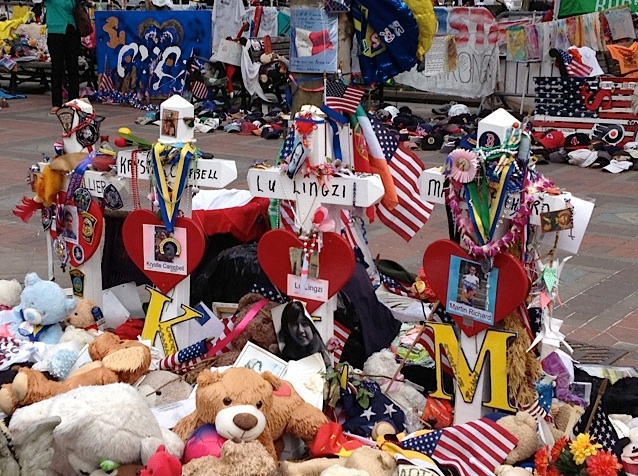
The City of Boston took down the Boston Marathon Memorial on June 25. The memorial began life at the sites of the twin bombings on Boylston Street in the immediate aftermath of the explosions there on April 15. The city relocated the memorial to Copley Square once Boylston and surrounding streets re-opened to traffic the following week. Read More
Back in February I wrote about some of the challenges of donating old interviews done during graduate school in the 1990s for newspapers to the Atlanta History Center’s archives as oral histories. After some interesting attempts to get release forms signed more than 20 years after the interviews were done and more than a few collisions with data rot, the donation was completed in June. Read More
“I sat there in my chair listening to the comment, ‘I don’t know much about Guantánamo,’ follow nearly each of my peers’ introductions, myself included,”
Marnie Macgregor, University of Minnesota
Marnie was joining over 100 other students from around the country in a national experiment in public history and public dialogue. Read More
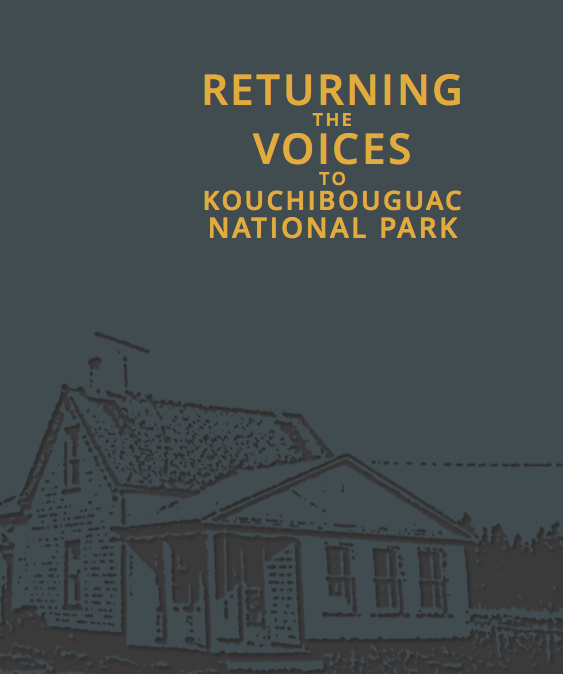
In 1969 the Canadian and New Brunswick governments agreed to create Kouchibouguac National Park along the east coast of this Atlantic province. At the time, establishment of a national park required removing the people who resided there, in the belief that nature should be exhibited to visitors without signs of any human presence. Read More
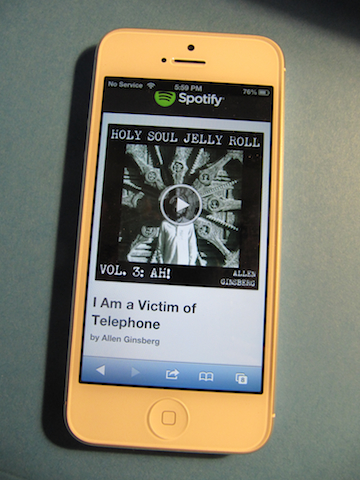
This spring, I’ve been teaching an urban anthropology class at Tufts University. In the class session before I left for the National Council on Public History conference, we talked about how digital technologies have become ever more interwoven with urban experience. Read More
Editors’ note: This conversation responds to Adam Shoalts’ report on the October 2012 bicentennial reenactment of the Battle of Queenston Heights and is part of the collaborative coverage of War of 1812 commemoration in History@Work and The Public Historian.Read more here.Read More
The second part of this art and public history conversation series features artist E.G. Crichton. In addition to being professor in the Art Department at UC Santa Cruz, Crichton is the first artist-in-residence for the GLBT Historical Society in San Francisco. Read More
Editors’ Note:This series showcases the winners of the National Council on Public History’s annual awards for the best new work in the field. Today’s post is by Ellen Kuhn, Shawna Prather, and Ashley Wyatt, students at the University of North Carolina Greensboro and co-creators of the exhibit “Past the Pipes: Stories of the Terra Cotta Community,” which won the 2013 Student Project Award.Read More
We public historians are increasing our fluency in languages. We are conversing with colleagues across the globe and across disciplines, we are ever dexterous in our work with new media, and we are constantly strengthening the ways we reach out to audiences, drawing from a language of engagement that has emerged since our field’s early days and that has blossomed in the last ten years. Read More
Sign Up to Receive News and Announcements Emails from NCPH
You may unsubscribe or change your preferences at anytime by emailing [email protected] Cavanaugh Hall 127, 425 University Blvd., Indianapolis, IN 46202-5140 (317) 274-2716 [email protected]