As a historical consultant working primarily in litigation support, my work usually takes me deep inside the archives. But sometimes, the only way to truly understand the land you’re studying is to see it up close and in person. Last summer, in order to get a better grasp of the vast landscape I’d been researching for two years, I took to Idaho’s backcountry in an area bordering the Frank Church River of No Return Wilderness. Read More
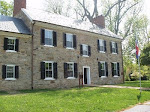
As a professor at a community college, I am typically absorbed in teaching, focused on my classes and students–as many as five classes and upwards of 120-150 students per semester. But recently, I’ve been increasingly engaged in public history by way of developing an associate’s degree program in the field and through involvement in other activities, including the utilization of a restored 1808 manor house on campus, which was the centerpiece of a horse farm when the region had a thriving thoroughbred racing and breeding industry. Read More
When I graduated in 2009 from Texas State University with my Master’s degree in public history, I could not wait to go out into the world to apply the knowledge that I had gained while in school. Last year, I was invited back to my alma mater to speak to an Introduction to Public History class about my work and how my degree has helped. Read More
This is a personal letter. It is personal because I came to Chile to write and participate in the history of the museum project “National Stadium, National Memory,” whose aim is “the material establishment of national memory in respect… to the Concentration Camp… in 1973.” Read More
As a fledgling public history consultant and member of the NCPH Consultants’ Committee, I endeavored to attend as many sessions as I could that highlighted non-traditional areas in which historians have successfully contributed. The Historians in the Legal Arena session was, by far, one of the most compelling. Read More
This fall, I began my second stint in graduate school. After earning a M.A. in Public History in 2007 and working for the federal government and a nonprofit organization for four years, I am now back in a university setting, enrolled in an American History PhD program. Read More
During the 2012 Annual Meeting of the NCPH in Milwaukee, I had the opportunity to talk with fellow public history educators about issues related to labor. It became clear to me that there are widely divergent expectations placed on public history faculty by their home institutions. Read More
Nearly thirty years ago, a small collective of twenty- and thirty-something LGBT activists in Chicago founded the Gerber/Hart Library and Archives. Active in the Gay Liberation movement and other social protest movements of the 1960s and 1970s, these grassroots historians collected LGBT materials and reclaimed the past as part of the production of a proud political identity. Read More
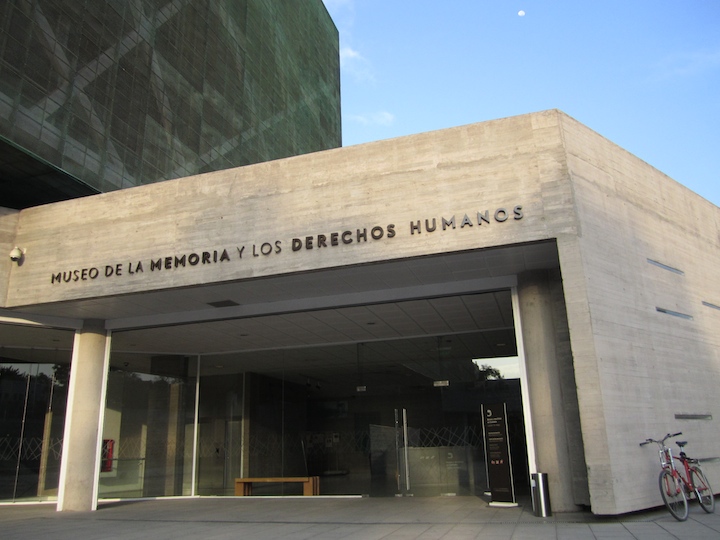
Since my September arrival in Chile, the Museum of Memory and Human Rights has become a common ground for my historical work, with handfuls of visits to its Center of Documentation for conversations and conferences, and the permanent exhibit. Although not a physical or recovered site connected to human rights violations, it sits squarely in the memory landscape of Chile, a barely-born institution that has made waves since its 2010 inauguration under then-President Michele Bachalet. Read More
Sign Up to Receive News and Announcements Emails from NCPH
You may unsubscribe or change your preferences at anytime by emailing [email protected] Cavanaugh Hall 127, 425 University Blvd., Indianapolis, IN 46202-5140 (317) 274-2716 [email protected]




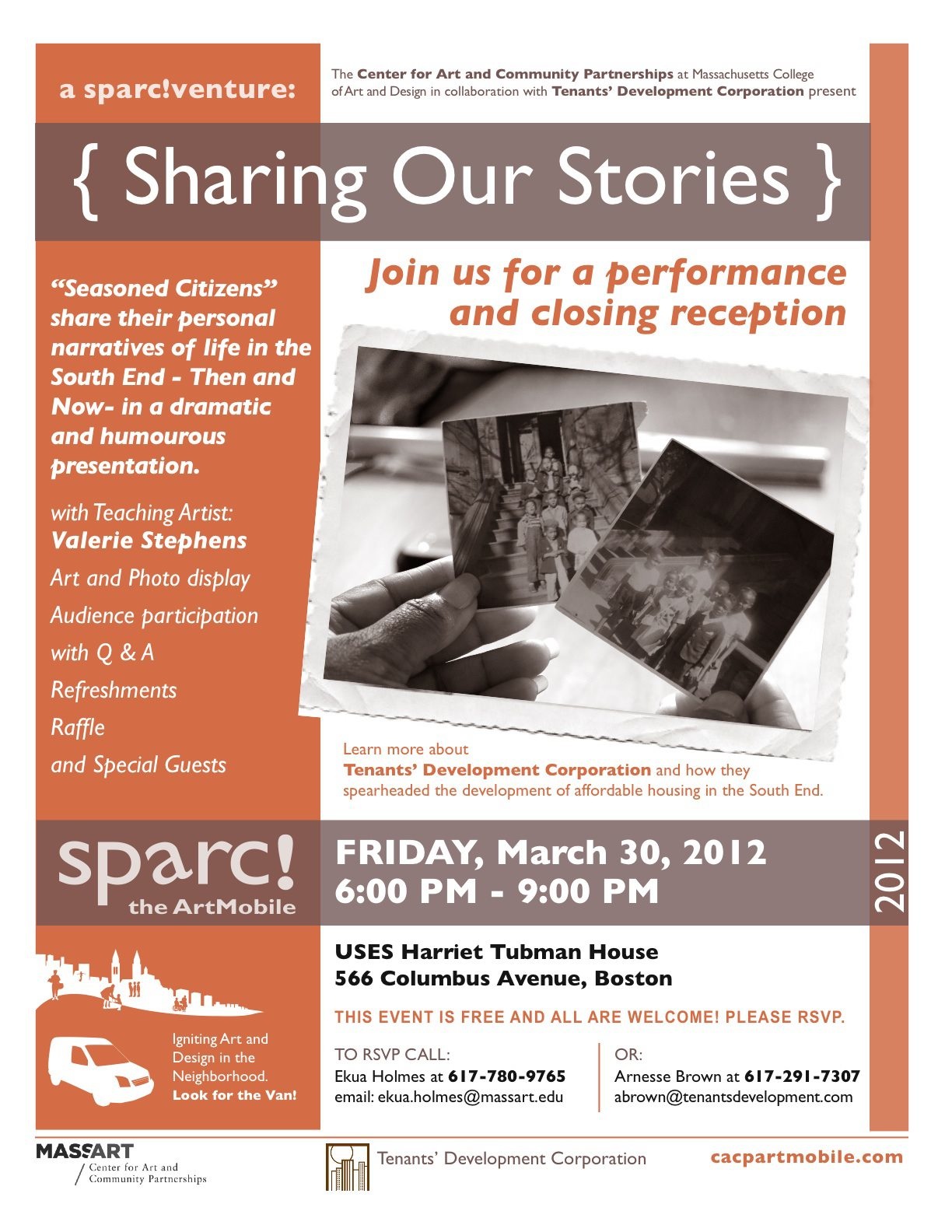 I recently attended an event in Boston’s South End neighborhood called “Sharing our Stories: The Power of Place,” a sensational evening sponsored by the Tenants Development Corporation, Inc. and the Center for Art and Community Partnershipsat the Massachusetts College of Art and Design. Read More